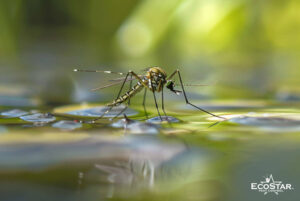
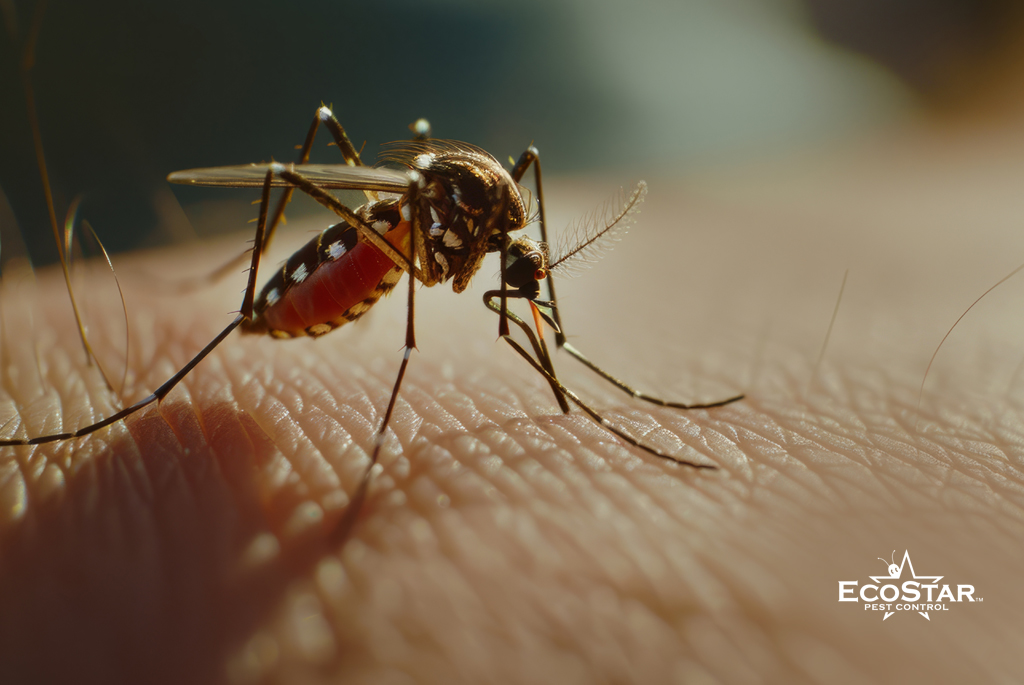
In Dallas and Fort Worth, mosquito season can bring more than just the annoyance of itchy bites. Some mosquitoes can transmit West Nile Virus (WNV), a mosquito-borne illness that can cause mild symptoms or, in rare cases, severe neurological complications. West Nile Virus activity has been reported in Tarrant County in 2026, including positive mosquito samples and a human case.
The best defense is to minimize exposure to mosquitoes and eliminate breeding sites around your home. For persistent mosquito activity, professional mosquito control services can provide an extra layer of protection for outdoor living areas.
Why West Nile Virus Matters During DFW Mosquito Season
West Nile virus is primarily transmitted through the bite of an infected mosquito. While the virus typically circulates between mosquitoes and birds, infected mosquitoes can also bite humans.
Dallas County has specifically identified the ‘southern house mosquito’ as a key vector associated with West Nile virus activity in the area. Local health departments monitor mosquito populations and track disease activity throughout the season.
In Tarrant County, West Nile activity typically increases during the warmer months. In 2026, the county reported positive mosquito samples from Fort Worth and Grand Prairie in May, followed by the first human case of infection in July.
This does not mean that every mosquito carries the West Nile virus. However, it does mean that homeowners should take mosquito protection seriously, especially when spending time outdoors.
What Are the Symptoms of West Nile Virus?
Most people infected with West Nile virus do not develop symptoms. Some develop a mild illness with symptoms such as:
- Fever
- Headache
- Body or joint aches
- Fatigue
- Nausea or other gastrointestinal symptoms
- Skin rash
A very small percentage of infected individuals develop severe illness affecting the nervous system, such as encephalitis or meningitis. Symptoms of severe illness may include high fever, severe headache, neck stiffness, confusion, muscle weakness, tremors, or paralysis.
If you experience concerning symptoms—especially neurological ones—after significant exposure to mosquitoes, consult a doctor immediately. West Nile virus is a medical condition that requires diagnosis and treatment by a healthcare professional.
How to Reduce Mosquitoes Around Your DFW Property
Effective mosquito prevention starts with reducing places where mosquitoes can reproduce and limiting opportunities for bites.
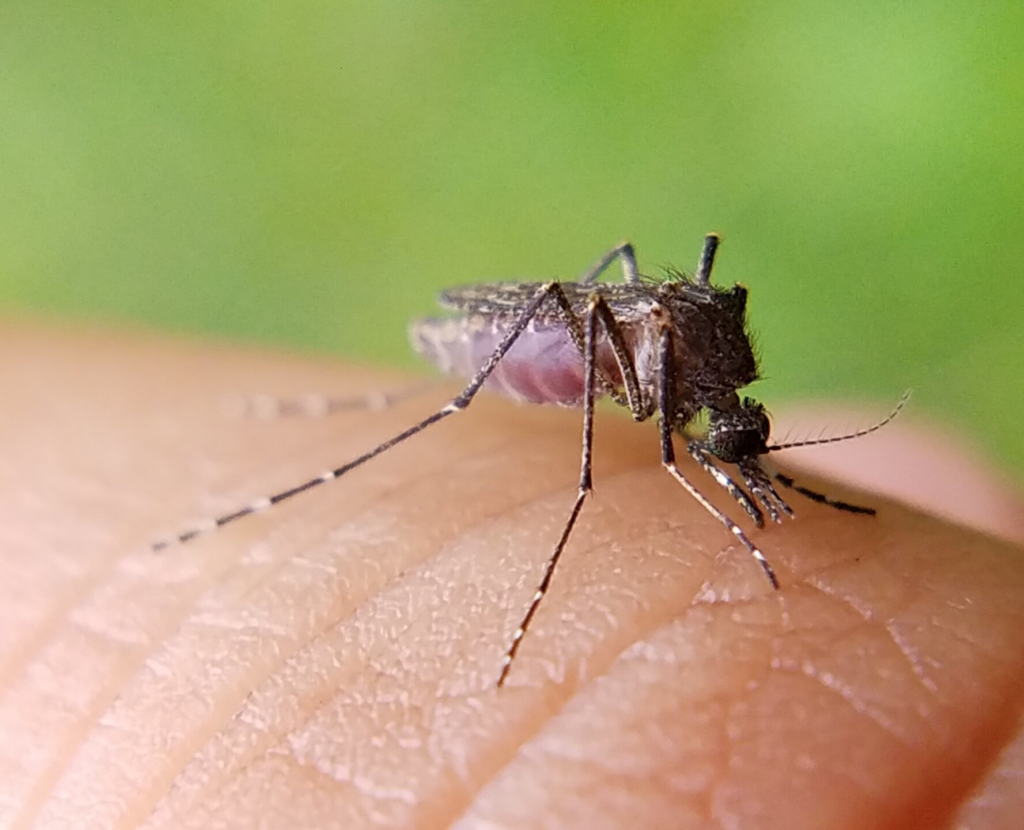
1. Eliminate Standing Water
Mosquitoes can lay eggs in surprisingly small amounts of water. Walk around your property regularly and empty or remove:
- Flowerpot saucers
- Buckets and containers
- Children’s toys
- Clogged gutters
- Birdbaths
- Old tires
- Pool covers holding water
- Other items that collect rainwater
The CDC recommends emptying and cleaning water-holding containers regularly because preventing mosquito breeding is an important part of mosquito control.
2. Protect Yourself Outdoors
When spending time outside, especially around dawn and dusk, use an EPA-registered insect repellent according to its label. Wearing loose-fitting long sleeves and pants can also reduce exposed skin. Keeping window and door screens in good condition helps prevent mosquitoes from entering your home.
3. Address Persistent Mosquito Activity
Removing standing water is essential, but it may not solve every mosquito problem. Properties can still experience heavy activity because mosquitoes may come from nearby areas, drainage locations, vegetation, or other breeding sites that are difficult for homeowners to identify or manage.
This is where professional Mosquito Control Treatment can be useful. A trained pest control professional can evaluate the property, identify conditions contributing to mosquito activity, and apply appropriate control methods to targeted areas.
When Should You Consider Mosquito Extermination?
If mosquitoes consistently interfere with your backyard, patio, pool area, or outdoor activities, waiting until the problem becomes severe may not be the best approach.
Professional Mosquito Extermination can be worth considering when:
- Mosquitoes are active every time you use your yard.
- Family members are receiving frequent bites.
- Standing water and basic prevention have not solved the problem.
- You regularly host outdoor gatherings.
- Your property has landscaping or shaded areas that support mosquito activity.
- You want a more comprehensive approach to reducing mosquitoes around outdoor living spaces.
Professional mosquito management should not be viewed as a replacement for personal bite prevention. The CDC recommends combining household and community-level mosquito control with individual measures that reduce mosquito bites.
Choosing Mosquito Control Services in Dallas-Fort Worth
A good mosquito control program should focus on more than simply treating the areas where you notice mosquitoes. The source of the problem matters.
When evaluating Mosquito Control Services in the DFW area, look for a provider that:
- Inspects the property for conditions that encourage mosquito activity.
- Identifies breeding opportunities such as standing water.
- Uses targeted treatment methods appropriate for the property.
- Explains what homeowners can do between professional treatments.
- Considers the outdoor areas you actually use, such as patios, pools, and yards.
- Follows applicable product labels and safety requirements.
Integrated mosquito management works by combining surveillance, source reduction, larval control, adult mosquito control, and ongoing monitoring rather than relying on a single method.
For DFW homeowners, this approach is particularly practical because mosquito pressure can vary considerably between properties.
Protect Your Yard During Mosquito Season
West Nile virus is a real consideration during mosquito season in Dallas and Fort Worth, but homeowners can take practical steps to reduce their exposure. Removing standing water, using EPA-registered repellents, wearing protective clothing, and limiting exposure when mosquitoes are most active are important first steps.
If mosquitoes remain a persistent problem, professional Mosquito Control Services from EcoStar Pest Control can provide another layer of protection for your outdoor spaces. The goal is not simply to treat visible mosquitoes, but to identify conditions contributing to the problem and develop a practical Mosquito Control Treatment approach for your property.