Best Attic Insulation Services in Dallas–Fort Worth
We don’t just add insulation — we help improve your home’s comfort and energy efficiency. Get our expert insulation
services for reliable protection and lasting performance.
New from EcoStar Pest Control
Upgrade your attic with pest-control insulation designed to improve energy efficiency, increase comfort, and help control common household insects.
Your attic plays a major role in your home’s comfort, energy efficiency, and protection from unwanted pests.
EcoStar’s pest-control insulation helps address all three.
Helps control common household insects that can enter, travel through, and nest in attic spaces.
Helps reduce unwanted heat transfer so your home can stay more comfortable while your HVAC system works more efficiently.
A properly insulated attic can help reduce temperature swings and make upstairs rooms more comfortable.
Added Sound Control. Dense blown-in insulation can also help reduce unwanted outside and household noise.
We don’t just add insulation — we help improve your home’s comfort and energy efficiency. Get our expert insulation
services for reliable protection and lasting performance.

Out of sight doesn’t mean out of mind.
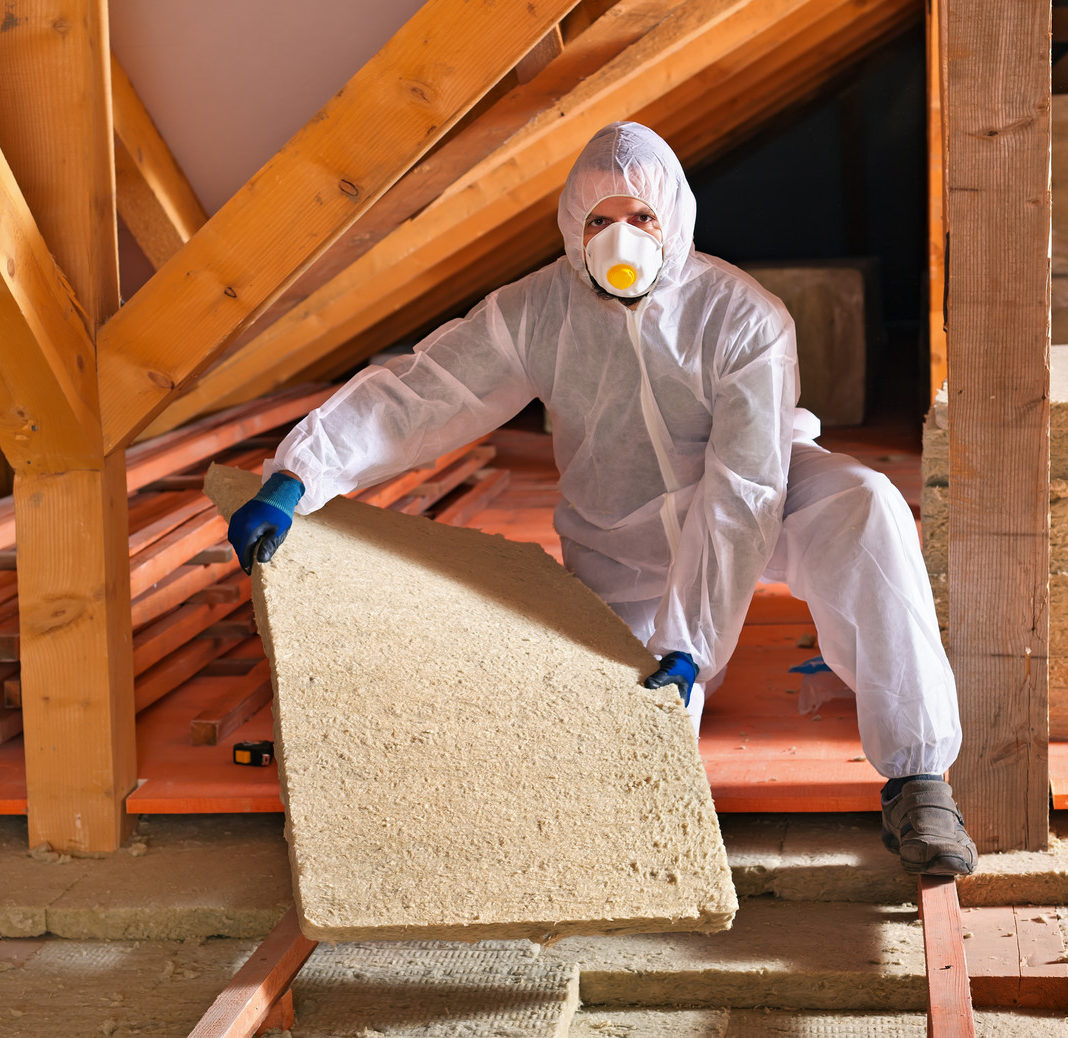
Your attic is one of the most important areas of your home when it comes to energy efficiency and pest prevention. Over time, insulation can become:
Insufficient Compressed Damaged Disturbed Contaminated Affected by pest activity
You may notice:
The good news? You don’t have to guess what’s happening above your ceiling.
The same family-owned team that’s protected Dallas–Fort Worth homes since 2010.
We're not an insulation company that happens to offer pest control. We're pest-control professionals adding insulation to the solution.
Our inspection considers both the condition of your attic and the pest activity that may be affecting it.
Instead of coordinating separate pest-control and insulation companies, EcoStar can help address both sides of the problem.
Our goal is simple: help make your home more comfortable, more efficient, and better protected.
Trustindex verifies that the original source of the review is Google. Jon was our tech and was very nice, thorough and gave a great rundown of any issues he found.Posted on GoogleTrustindex verifies that the original source of the review is Google. Roldan was great: efficient, cordial, professional. All guys at Eco Pest control doing good job.Posted on GoogleTrustindex verifies that the original source of the review is Google. Jonathan Spears listened carefully to our concerns and did an excellent job with the pest treatment. He was professional, thorough, and made sure everything was treated properly. I’m very satisfied with his service and would highly recommend him.Posted on GoogleTrustindex verifies that the original source of the review is Google. They’ve really kept the bugs away. We had one issue but I think it was just a bad employee but the manager himself contacted me and sent Justin out and he was thorough and nice! Great job guys!Posted on GoogleTrustindex verifies that the original source of the review is Google. I would truly recommend this company they are very professional and was great to work with good friendly service thank youPosted on GoogleTrustindex verifies that the original source of the review is Google. Justin did an amazing job today. He was very attentive and listened to my concerns. He explained everything in detail and took his time. I’m already seeing pests start to die off and am hoping this is the answer to my cricket and spider issues.Posted on GoogleTrustindex verifies that the original source of the review is Google. Jonathan Spears was great. He did a good job. Thanks for the service today.Showing our latest reviews
The cost of attic insulation depends on several factors, including the attic size, existing insulation, insulation type, required R-value, accessibility, and whether old insulation needs to be removed. A professional inspection can determine the amount of insulation needed and provide an accurate estimate based on your home’s specific conditions.
The best attic insulation depends on the home’s construction, climate, existing insulation, ventilation, and energy-efficiency goals. Common options include blown-in fiberglass, blown-in cellulose, fiberglass batts, and spray foam. The appropriate material and R-value should be selected based on the attic’s specific requirements rather than using the same insulation type for every home.
Energy-efficient attic insulation should generally be installed after identifying and sealing significant air leaks and confirming that attic ventilation is properly maintained. The insulation should be installed evenly, without gaps, excessive compression, or blocked soffit vents. The appropriate R-value also depends on the home’s location and construction.
Attic insulation is typically installed across the attic floor when the attic is unconditioned. Before adding insulation, major air leaks should be sealed and ventilation pathways such as soffit vents should remain open. The insulation should then be distributed evenly to the required depth and R-value. For ceilings or finished attic spaces, the appropriate insulation method depends on the construction of the ceiling and roof assembly.
Not always. Existing insulation can often remain in place if it is dry, clean, and in usable condition. However, insulation that is wet, moldy, contaminated with animal waste, severely damaged, or otherwise compromised may need to be removed before new insulation is installed. The condition of the existing insulation should be assessed before deciding whether removal is necessary.
Common signs include uneven indoor temperatures, unusually hot or cold rooms, high heating or cooling costs, drafts, and visible areas where attic insulation is thin or missing. If insulation is at or below the level of the attic floor joists, additional insulation may be needed. Air leakage can also reduce the effectiveness of otherwise adequate insulation.
No single insulation material should be considered a complete pest-control solution. Effective attic protection also involves identifying and sealing potential pest entry points, addressing moisture or sanitation issues, and maintaining the attic properly. If rodents or other pests have contaminated attic insulation, the affected material may need to be removed and replaced after the pest issue has been addressed.

We offer pest control programs to meet all of your pest control needs. Protect your home from pest invasion. Contact our team today to schedule your first service!

