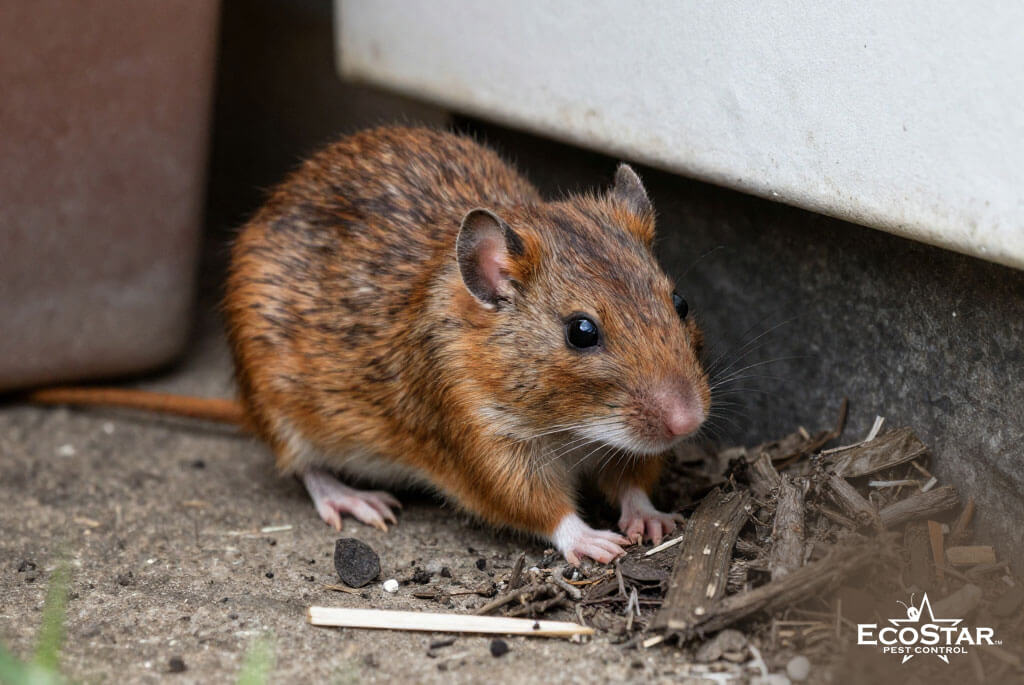
Finding mice or rats in your home can be frustrating, especially when the problem keeps returning after traps or temporary treatments. Long-term rodent control requires more than removing the rodents you see. It involves identifying how they are getting inside, eliminating food and shelter sources, and monitoring the property for new activity.
For Texas homeowners, effective Rodent Control & Exterminator Services can be part of a broader prevention strategy designed to address current activity and reduce the conditions that allow future infestations.
What Is the Best Long-Term Strategy for Rodent Control?
The most effective long-term approach combines exclusion, sanitation, monitoring, and targeted treatment. In simple terms, you need to prevent rodents from entering, make the property less attractive to them, identify signs of activity early, and address an existing infestation appropriately.
The CDC recommends focusing on three things rodents need to survive: food, water, and shelter. Sealing entry points and removing these resources can make a property less attractive to mice and rats.
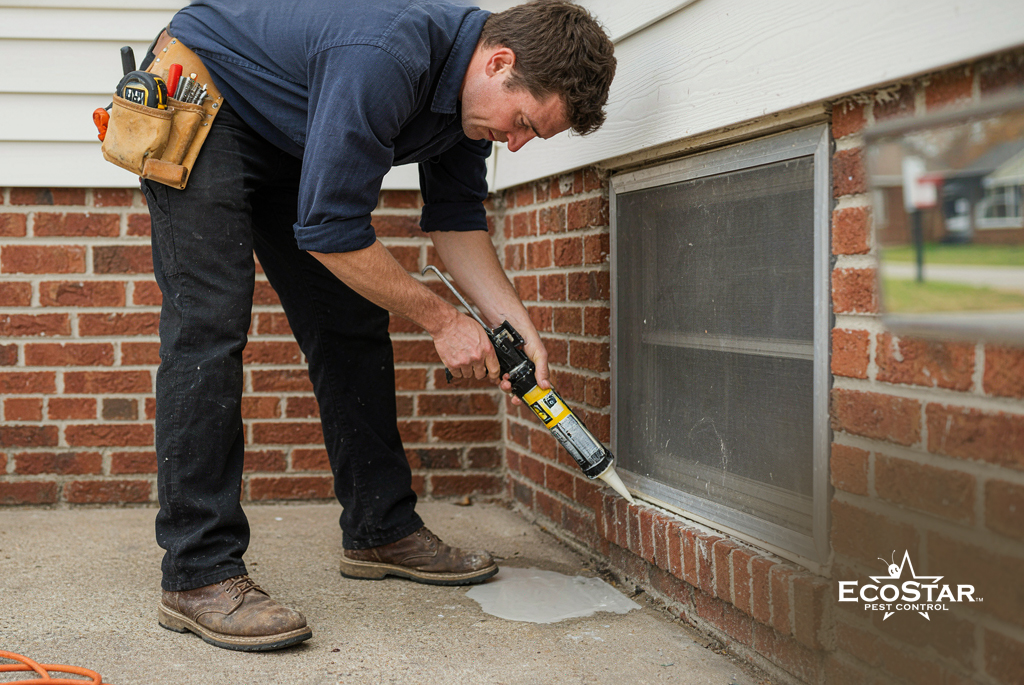
1. Find and Seal Rodent Entry Points
A small opening can be enough for a mouse to enter a building. The CDC notes that mice can fit through a hole about 1/4 inch, or 6 millimeters, in diameter.
Inspect both the interior and exterior of the property. Common entry points include:
- Gaps around doors and windows
- Openings around plumbing and utility lines
- Foundation cracks
- Roof and attic openings
- Damaged vents and screens
- Gaps around garages
- Openings around pipes, cables, and ducts
- Spaces around attic and crawl-space vents
Small openings can often be sealed with appropriate materials, while larger openings may require metal screening, hardware cloth, cement, or other durable repairs.
Rodent-proofing is important because removing rodents without addressing their entry points can allow new rodents to enter later.
2. Remove Food and Water Sources
Rodents are opportunistic feeders. Easily accessible food can encourage them to stay around a property.
Store food in tightly sealed containers and clean up crumbs and spills promptly. Pet food should also be stored securely, and food or water bowls should not be left out overnight when possible. Keep garbage containers closed with tight-fitting lids.
Outside the home, pay attention to bird feeders, outdoor cooking areas, pet food, compost, garbage, and animal feed. These can become attractive food sources for rodents if they are not properly managed.
Water matters as well. Fix leaking pipes, dripping outdoor faucets, and other sources of accessible water when possible.
3. Reduce Outdoor Shelter and Nesting Areas
Rodents look for protected locations where they can hide and build nests. Clutter around a home can provide these conditions.
Keep brush, weeds, debris, and unnecessary materials away from the structure. Store firewood off the ground and away from the home. Garages, sheds, attics, and storage areas should also be kept organized so signs of rodent activity are easier to identify.
The CDC specifically recommends keeping outdoor areas clean and reducing materials that provide rodents with food or shelter.
4. Know the Early Signs of Rodent Activity
You do not always have to see a mouse or rat to know there is a problem.
Common warning signs include:
- Small rodent droppings
- Gnaw marks on materials
- Scratching or movement sounds
- Nests made from shredded materials
- Greasy rub marks along walls or pathways
- Damaged food packaging
- Unusual odors
- Rodent activity in attics, garages, or wall spaces
Texas DSHS also identifies droppings, tracks, rub and gnaw marks, and nests as signs that rodents may be present.
Early detection matters because it gives homeowners an opportunity to address the problem before rodent activity becomes more established.
Why Is Rodent Control Important in Texas?
Texas homes can experience rodent activity in a variety of settings, from urban neighborhoods to suburban properties and rural areas. Changes in weather, construction, landscaping, and access to food or shelter can influence where rodents seek refuge.
Rodents can also create health and sanitation concerns. Texas DSHS explains that certain rodents can carry hantaviruses, which may be transmitted through contact with infected rodent urine, droppings, or saliva. Reported hantavirus cases in Texas are rare, but proper precautions around rodent waste remain important.
This is one reason rodent prevention should include both structural exclusion and safe cleanup practices rather than relying only on traps or bait.
When Should You Consider Professional Rodent Control Services?
Professional Rodent Control Services may be appropriate when you continue finding droppings, hearing rodents inside walls or ceilings, discovering nests, or seeing repeated signs after attempting basic prevention.
A professional inspection can help identify potential entry points and areas of activity that are difficult to locate during a quick visual inspection. Depending on the situation, a treatment plan may involve exclusion work, trapping, monitoring, and other appropriate control measures.
The EPA provides guidance on rodent control products and emphasizes the importance of using rodenticides safely and according to their requirements.
If traps or rodent-control products are used, they should be positioned and handled carefully, particularly in homes with children or pets. The CDC recommends keeping traps and baits out of their reach.
What Should You Do If You Find Rodent Droppings?
Do not sweep or vacuum dry rodent droppings or nesting material. This can disturb contaminated material and potentially put particles into the air.
The CDC recommends disinfecting rodent waste, allowing the disinfectant to sit as directed, and then wiping it up with paper towels. Texas DSHS also provides precautions for handling rodent waste and nests.
If there is substantial contamination or rodents have entered difficult-to-reach areas such as wall cavities, attics, or ventilation systems, professional assistance may be appropriate.
How Can You Prevent Mice and Rats From Coming Back?
Long-term prevention is an ongoing process rather than a one-time fix.
A practical routine includes:
- Inspect the exterior regularly for new gaps or damage.
- Seal openings around the foundation, roof, vents, doors, and utility lines.
- Store food, pet food, and animal feed in sealed containers.
- Keep garbage containers tightly closed.
- Reduce clutter, brush, and nesting materials around the property.
- Watch for droppings, gnaw marks, and unusual sounds.
- Address leaks and accessible water sources.
- Arrange professional Rodent Extermination when signs persist or the infestation is difficult to manage.
The goal is not simply to remove the rodents currently inside the property. Effective Rodent Pest Control should also make the property less accessible and less attractive to future rodents.
Protect Your Texas Home With Long-Term Rodent Control
Mice and rats can take advantage of small openings, accessible food, water, and protected nesting areas. A lasting solution starts by addressing those conditions while dealing with any existing rodent activity.
EcoStar Pest Control provides Rodent Control & Exterminator Services for customers in the Dallas-Fort Worth area. If you are seeing signs of mice or rats, you can learn more about EcoStar’s rodent control service or contact the team to discuss an appropriate inspection and treatment approach.