If you are looking for an attic insulation contractor in the Dallas-Fort Worth area, choose a company that will evaluate your existing insulation, check for air leaks and moisture issues, and recommend the right solution for your home. Whether you need to install, replace, or remove attic insulation, the right contractor can help you make informed decisions to improve your home’s comfort and energy efficiency. EcoStar Pest Control provides attic insulation services to homeowners looking to address their insulation needs.
Before hiring an insulation company, compare their experience, the materials they use, the services they offer, their written cost estimates, and their work methods. By considering these factors, you can select a contractor best suited to meet the specific needs of your home.
Why Should You Hire Professional Attic Insulation Contractors?
Professional attic insulation contractors can inspect your attic, identify gaps in the insulation, and recommend appropriate materials and installation methods.
Attic insulation slows the exchange of heat between your living space and the outside environment. If the insulation is inadequate or improperly installed, the temperature in your home may become uncomfortable, and the need for heating or cooling may increase.
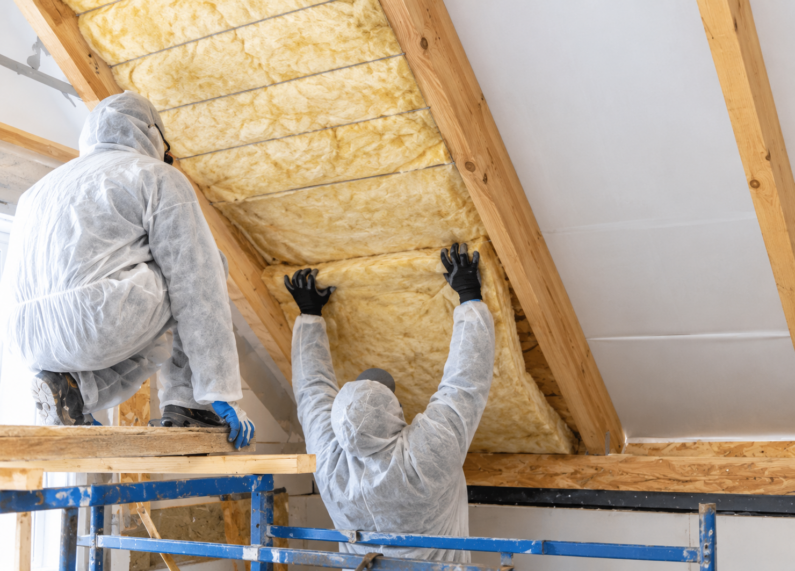
A professional assessment should consider:
- Existing insulation: Its material, depth, condition, and approximate R-value.
- Air leaks: Gaps around pipes, wiring, ceiling fixtures, and attic access points.
- Moisture issues: Roof leaks, damp insulation, or signs of water damage.
- Ventilation: Whether insulation could block necessary attic ventilation.
- Insulation requirements: The appropriate material and target R-value for your home.
R-value measures resistance to heat flow. A higher R-value generally indicates greater resistance to heat transfer.
According to ENERGY STAR’s attic insulation guidance, properly sealing and insulating an attic can help reduce energy waste and improve indoor comfort.
How Do You Choose the Right Attic Insulation Company?
To choose a reliable attic insulation company, review customer feedback, verify insurance, compare written estimates, and ask about the contractor’s installation process.
Consider these five steps before hiring.
1. Check Experience and Reviews
Look for an insulation contractor with experience handling projects similar to yours. Read recent reviews and consider feedback about workmanship, communication, punctuality, and cleanup.
Ask whether the company has experience with your attic’s layout and the insulation material it recommends.
2. Verify Insurance and Qualifications
Ask the company to confirm its liability insurance and explain the training or qualifications of its installation team.
Check applicable local requirements and ask whether the contractor follows relevant building and safety standards.
3. Compare Written Estimates
Request estimates that clearly explain the work being proposed.
A detailed estimate should identify the insulation material, installation area, target R-value, preparation work, and any additional charges.
If insulation removal is required, confirm whether cleanup and disposal are included.
4. Ask About Air Sealing
Air sealing helps reduce unwanted air movement between the attic and your living space.
The U.S. Department of Energy recommends sealing penetrations between the attic and conditioned living areas before adding insulation to an existing vented attic.
Ask whether the contractor will inspect and seal relevant gaps before installation.
5. Request Installation Documentation
After the project, request documentation identifying the insulation material, amount installed, and resulting R-value.
This information helps you understand the work completed and provides a useful record for future home improvements.
What Types of Attic Insulation Can Contractors Install?
The best attic insulation depends on your home’s construction, existing insulation, budget, and energy-efficiency goals.
Common materials include fiberglass, blown-in cellulose, mineral wool, and spray polyurethane foam.
Fiberglass Insulation
Fiberglass insulation consists of fine glass fibers and is available in batts, rolls, and loose-fill forms.
It is commonly used in residential insulation projects and can be suitable for appropriate attic floor applications.
Best for: Homeowners comparing conventional insulation materials for accessible attic spaces.
Proper installation is important. Gaps and excessive compression can affect insulation performance.
Blown-In Cellulose Insulation
Blown-in cellulose is generally made from processed paper fibers and installed using specialized equipment.
It can provide relatively uniform coverage across attic floors, including irregularly shaped spaces.
Best for: Attics that need additional insulation or have areas that are difficult to cover with traditional batts.
The contractor should determine the required depth and ensure that ventilation pathways remain unobstructed.
Mineral Wool Insulation
Mineral wool, sometimes called rock wool, is made from mineral materials and is available in several forms.
Depending on the product, it can provide thermal insulation and useful fire-resistance characteristics.
Best for: Projects where the material’s specifications match the home’s insulation requirements.
Ask your contractor to explain its suitability, installation requirements, and cost compared with other options.
Spray Foam Insulation
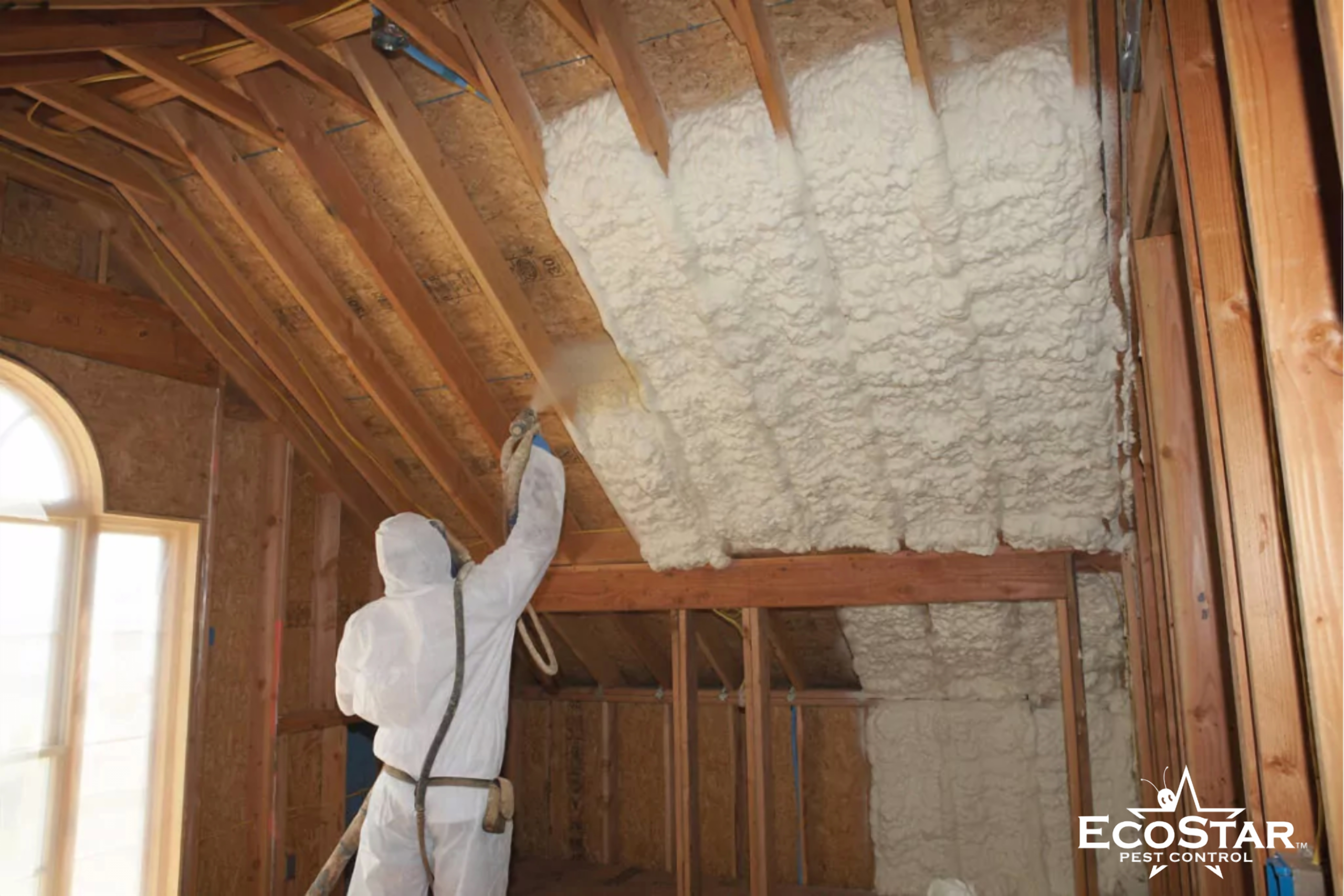
Spray polyurethane foam expands during application and can provide insulation and air sealing when used in an appropriate building assembly.
Its suitability depends on whether the project involves the attic floor, roofline, or another part of the building envelope.
Best for: Projects where the home’s design supports a foam insulation system.
Because spray foam requires careful installation, discuss moisture management, ventilation, fire-safety requirements, and installer experience before choosing it.
When Should You Install, Replace, or Remove Attic Insulation?
Your home may need new insulation when the existing material is insufficient, unevenly distributed, damaged, or no longer suitable for your needs.
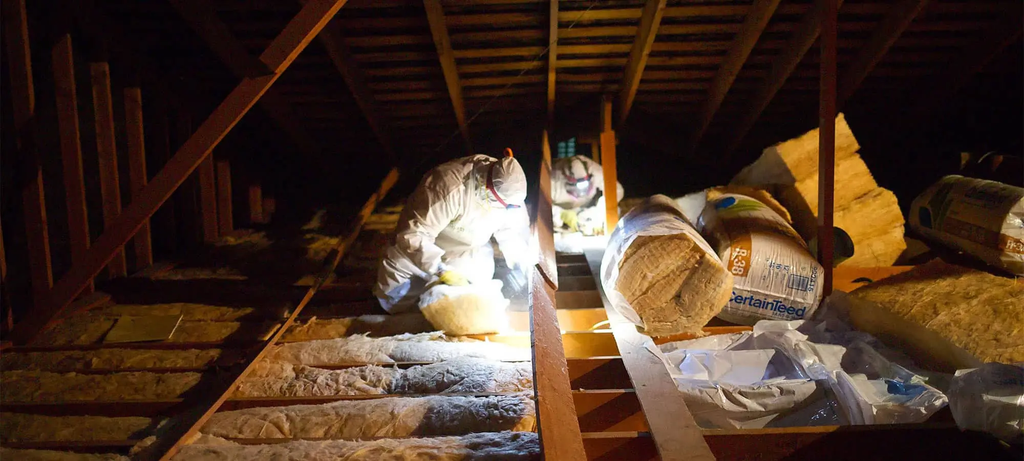
However, installation, replacement, and removal serve different purposes.
When Is New Attic Insulation Installation Necessary?
If your attic lacks sufficient coverage, or if the level of insulation is below the amount recommended for your home, it may be advisable to install new insulation.
For instance, a homeowner in Dallas might find that rooms on the upper floor become uncomfortable during the summer. An inspection could reveal that there is insufficient insulation, air leakage, or gaps around the attic access point.
Addressing these issues can help improve the home’s thermal performance (its ability to regulate temperature).
When Should You Replace Existing Insulation?
If insulation material becomes damaged, contaminated, degraded, or affected by moisture, it may need to be replaced.
Before replacing it, identify the root cause of the problem. You might first need to address issues such as roof leaks, plumbing problems, or a lack of proper ventilation.
Otherwise, the new insulation could suffer the same damage.
When Is Attic Insulation Removal Necessary?
If insulation is wet, moldy, contaminated with animal droppings, or damaged in any other way, it may be advisable to remove it.
However, it is not always necessary to remove all existing insulation. If the insulation is clean, dry, and in good condition, simply adding more insulation on top may be sufficient.
Older homes may contain vermiculite insulation, which could potentially harbor asbestos. Do not disturb any material suspected of containing asbestos; have it inspected by a qualified professional.
If you have a pest infestation in your attic, address the infestation and assess the extent of any contamination before installing new insulation.
How Much Does Attic Insulation Cost in Dallas–Fort Worth?
The cost of attic insulation depends on the attic’s size, selected material, required R-value, accessibility, existing insulation, and preparation work.
There is no single price that applies to every home.
Consider these cost factors when requesting estimates:
- Attic size: Larger areas generally require more material and labor.
- Insulation type: Fiberglass, cellulose, mineral wool, and spray foam have different costs.
- Existing insulation: Damaged material may require removal and disposal.
- Air sealing: Sealing gaps and penetrations may increase the project scope.
- Accessibility: Difficult-to-reach spaces can require additional labor.
- Repairs: Moisture problems and other underlying issues may need attention before installation.
- Cleanup: Removal projects may involve additional disposal charges.
What Should an Insulation Estimate Include?
Before approving a project, confirm that the written estimate specifies:
- The attic area being insulated.
- The proposed insulation material.
- The target R-value and installation depth.
- Any air sealing or preparation work.
- Removal and disposal charges, if applicable.
- Cleanup and warranty terms.
- Documentation provided after installation.
Compare estimates with similar scopes of work to understand which company offers the best value.
What Should Dallas–Fort Worth Homeowners Know About Home Insulation?
Summers in Dallas-Fort Worth are quite hot, making attic insulation and air sealing essential for maintaining comfort within homes.
If insulation is inadequate, excessive heat can enter through the roof; meanwhile, air leaks can lead to the unwanted exchange of air between the attic and the living space.
Before upgrading your home insulation, consider the following:
Inspect existing insulation. Determine whether it is sufficient, dry, and evenly distributed.
Address air leaks. Have gaps around wiring, pipes, ceiling fixtures, and attic access points evaluated and sealed appropriately.
Check ventilation. Ensure insulation does not block soffit vents or other intended ventilation pathways.
Resolve moisture problems. Repair roof leaks and other sources of moisture before installing new insulation.
Choose the right R-value. The appropriate insulation level depends on your home, climate zone, and applicable energy requirements.
Homeowners in Dallas, Fort Worth, Carrollton, Plano, Frisco, Irving, Denton, and nearby communities should also confirm that their chosen insulation company serves their specific location.
How Can EcoStar Help With Your Attic Insulation Needs?
EcoStar Pest Control offers attic insulation services for homeowners looking to address their insulation needs.
Whether you are looking to install new insulation, replace existing insulation, or remove damaged material, it is essential to first assess the condition of your attic.
Before deciding on a solution, consider the state of your current insulation, potential air leaks, moisture issues, and the most suitable materials for your home.
If your attic insulation has been damaged by pests, be sure to mention this when contacting the company, so that the situation can be accurately assessed and appropriate measures can be taken.
Homeowners in the Dallas–Fort Worth area can visit EcoStar Pest Control to learn more about available services and discuss their attic insulation needs.
Looking for attic insulation contractors in Dallas–Fort Worth? Contact EcoStar to discuss your project and determine the next steps for your home.
Frequently Asked Questions
How Do I Find Reliable Attic Insulation Contractors Near Me?
Research local contractors, read customer reviews, verify insurance, and compare written estimates. Ask about materials, installation methods, air sealing, insulation removal, and warranty coverage before hiring.
What Is the Best Attic Insulation for Homes in Texas?
The best material depends on your home’s construction, existing insulation, budget, and required R-value. Fiberglass, cellulose, mineral wool, and spray foam can be suitable for different applications.
Do Attic Insulation Contractors Remove Old Insulation?
Many contractors offer insulation removal, but services vary by company. Removal may be necessary when insulation is wet, moldy, contaminated, or damaged. Clean, dry insulation can often remain when additional insulation is installed appropriately.
Can New Attic Insulation Lower Energy Bills?
Properly installed insulation and air sealing can reduce unwanted heat transfer and improve energy efficiency. Actual savings depend on existing insulation, air leakage, HVAC performance, weather, and installation quality.