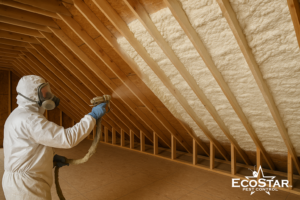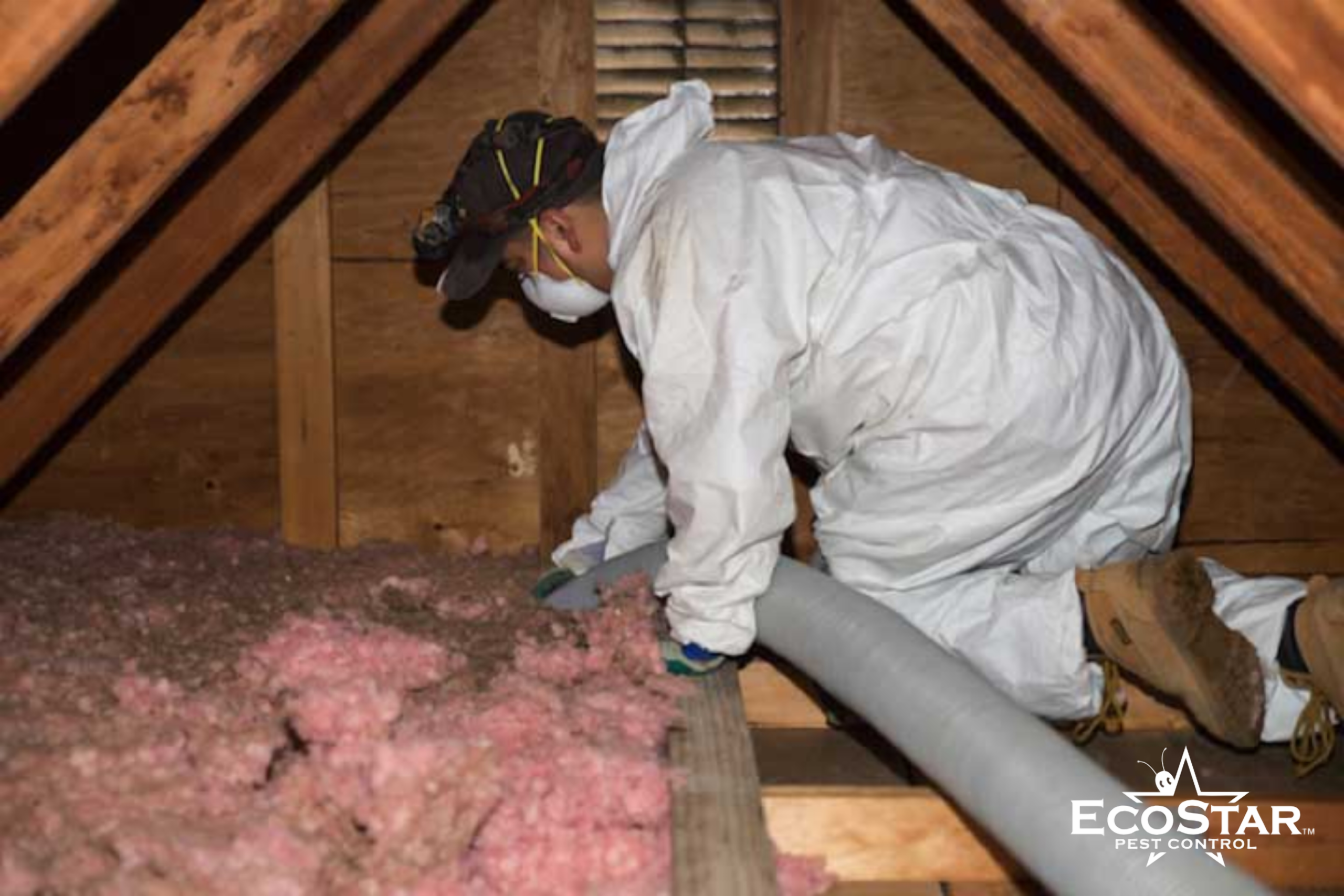
If the existing insulation in your attic is clean, dry, and in good condition, you can often install new insulation over the old material without removing it. However, if the insulation is wet, moldy, damaged, or compromised by pests like rodents, it may be necessary to remove it before installing new insulation.
For homeowners in Dallas, Fort Worth, and the surrounding North Texas areas, the right decision depends on the condition of the existing insulation, the home’s energy-efficiency needs, and whether there are issues with moisture or pests in the attic.
Should You Remove Old Attic Insulation or Add New Insulation?
It is not always necessary to remove old attic insulation before installing a new layer. If the existing material is in good condition, adding another layer of insulation over it can improve thermal performance and save on the unnecessary cost of removal.
However, the insulation should be inspected before any upgrade. If the old insulation is contaminated with rodent droppings, has suffered significant water damage, or shows signs of mold, you should consider removing it.
Here is a quick comparison:
| Existing insulation condition | Recommended solution |
|---|---|
| Clean, dry, and in good condition | Add new insulation if needed |
| Too thin or unevenly distributed | Add insulation after checking existing coverage |
| Wet or mold-contaminated | Fix the moisture source and remove affected material as needed |
| Contaminated by rodents | Arrange appropriate removal and cleanup |
| Severely deteriorated or damaged | Remove and replace affected insulation |
According to ENERGY STAR, homeowners can often install new insulation over existing fiberglass or cellulose insulation. There is no need to remove the old material simply because it has been there for many years.
What Is the Difference Between Insulation Removal and Adding New Insulation?
Insulation removal involves taking out existing material before repairs, cleaning, or replacement. New insulation installation adds material to improve thermal resistance and help maintain comfortable indoor temperatures.
When Can You Install New Insulation Over Old Insulation?
Adding new insulation is often a suitable option when:
- The existing insulation is dry and free from contamination.
- The material is still functional but does not provide enough insulation.
- There are no unresolved moisture problems.
- The new insulation is compatible with the existing material.
- Air leaks and ventilation requirements can be addressed properly.
For example, a homeowner in Plano might have existing fiberglass insulation that no longer provides adequate coverage. A professional might recommend adding ‘blown-in’ insulation to improve the attic’s overall thermal performance without removing the existing material.
Before installing insulation, inspect the attic floor for gaps, recessed areas, and open spaces. These issues can reduce the insulation’s effectiveness.
When Should You Remove Old Attic Insulation?
Old insulation may need to be removed when it is:
- Wet because of a roof leak or plumbing problem.
- Contaminated with mold or significant biological debris.
- Affected by rodent droppings, urine, or nesting material.
- Severely deteriorated or unable to provide reliable coverage.
- Preventing necessary repairs or a proper inspection.
Not every damaged section requires a complete attic cleanout. An inspection can help determine whether partial removal or complete removal is appropriate.
What Are the Signs That Old Attic Insulation Needs to Be Removed?
Recognizing insulation problems early can help homeowners avoid covering up existing damage during an upgrade.
1. Water Damage, Mold, and Moisture
Wet insulation, water stains on roof sheathing, dark spots, and a persistent musty odor can indicate a moisture problem.
Depending on the material and conditions, wet insulation may lose some of its effectiveness. Persistent moisture can lead to mold growth and damage surrounding building materials.
The U.S. Environmental Protection Agency recommends addressing the sources of moisture and drying out the affected areas. If mold cannot be properly removed from contaminated porous materials, those materials may need to be discarded.
What should you do? Locate and repair any roof or plumbing leaks, inspect the affected insulation, and arrange for appropriate remediation before installing new material. Do not simply cover wet or contaminated insulation with a new layer.
2. Rodent Droppings, Nests, and Pest Damage
Rodents can enter attics through small openings and damage insulation while creating nests. Their droppings and urine can contaminate the surrounding materials.
Warning signs include scratching noises, shredded insulation, visible droppings, nesting materials, and persistent unpleasant odors.
What should you do? Arrange a pest inspection, address rodent activity, identify entry points, and have contaminated insulation assessed for appropriate removal and cleanup. Avoid sweeping or vacuuming rodent droppings with an ordinary household vacuum because this can spread contaminated dust.
EcoStar Pest Control provides rodent control services to help homeowners address rodent problems before completing necessary attic repairs.
3. Compressed, Uneven, or Deteriorated Insulation
Over time, insulation can shift, compress, or develop gaps. This prevents certain parts of the attic from being properly insulated against heat loss or gain.
Check near the eaves, exposed sections of the attic floor, and areas where the insulation appears significantly thinner than the surrounding material.
What should you do? Inspect the thickness and condition of the insulation. Add more insulation where needed, or remove damaged sections and replace them with new insulation that provides proper coverage.
How Should You Prepare Your Attic for New Insulation?
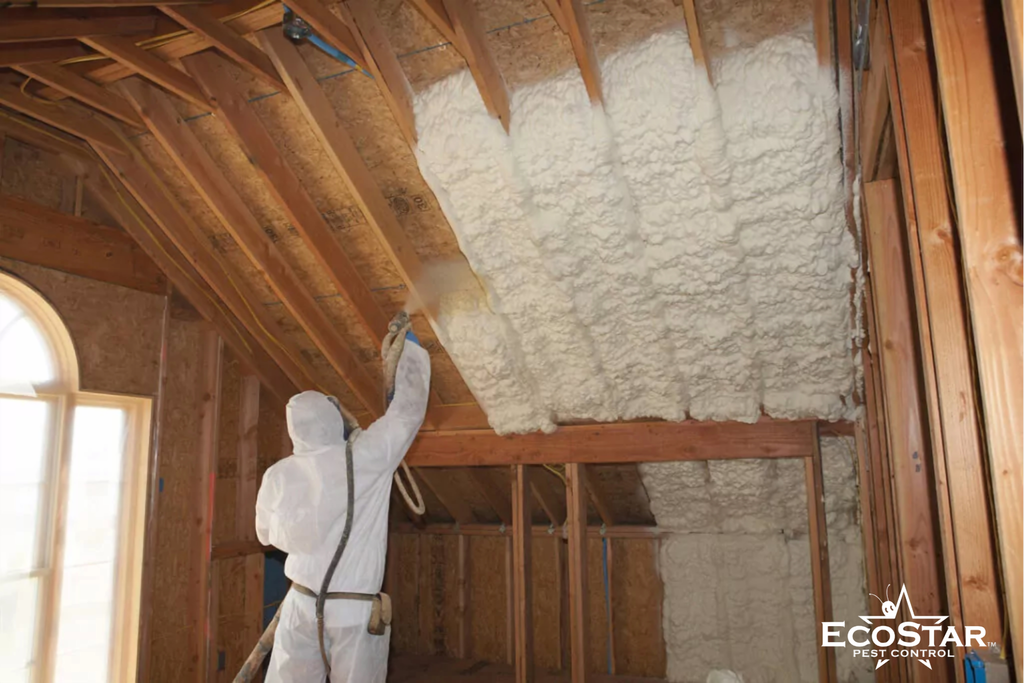
Proper preparation helps ensure that new insulation performs effectively and does not conceal existing problems.
Step 1: Inspect the Existing Insulation
Identify the insulation type, such as fiberglass, cellulose, mineral wool, or spray foam. Examine its condition and look for moisture, pest activity, deterioration, and uneven coverage.
If the material’s condition is uncertain, seek a professional assessment before disturbing it.
Step 2: Seal Air Leaks and Fix Moisture Problems
Air can escape through openings for plumbing pipes, wiring, ceiling penetrations, and other areas. Such leaks can diminish the effectiveness of the insulation.
Before installing insulation, seal air leaks using methods appropriate for each specific location. Repair any leaks in the roof or plumbing, and address moisture or ventilation issues first.
Pay special attention to recessed lights, chimneys, flues, and electrical equipment. Instead of covering these areas indiscriminately, adhere to fire safety regulations and required clearance standards.
Step 3: Choose the Right Insulation Type and R-Value
R-value measures how effectively insulation resists heat flow. Generally, a higher R-value provides greater thermal resistance.
Common insulation options include:
- Fiberglass insulation: Available in batts and loose-fill forms.
- Cellulose insulation: Commonly installed as blown-in material.
- Mineral wool insulation: Available in batts and other product forms.
- Spray foam insulation: Can provide thermal insulation and help control air leakage when correctly designed and installed.
The right choice depends on the attic’s construction, existing materials, budget, and installation requirements.
ENERGY STAR provides guidance on recommended attic insulation levels based on climate zone and existing insulation. Homeowners should review these recommendations and assess their current insulation before deciding how much additional material is needed.
Step 4: Protect Ventilation and Building Components
Ensure that the new insulation does not block soffit vents or other airflow pathways. Proper clearance must also be maintained around attic access points, HVAC equipment, ducts, and electrical components.
If your attic contains ductwork, inspect it for leaks and damaged insulation. Improperly sealed ducts can lead to energy loss and inconsistent indoor temperatures.
What Should Dallas–Fort Worth Homeowners Know About Attic Insulation?
Summers in Dallas, Fort Worth, Carrollton, Plano, Frisco, and surrounding areas are very hot, and the weather is changeable. Without proper attic insulation, excessive heat can penetrate the home, making it difficult to control the indoor temperature.
Before upgrading your attic insulation, consider the following factors:
- Summer heat: Check whether your current insulation provides adequate thermal resistance.
- Roof leaks and moisture: Repair water intrusion before adding new insulation.
- HVAC performance: Inspect attic ductwork for leakage or inadequate insulation.
- Pest activity: Look for rodent damage and nesting materials before disturbing the attic.
- Ventilation: Keep designed ventilation pathways clear and address existing ventilation problems.
Adding insulation may improve comfort and reduce heating and cooling energy use. However, the results depend on the home’s existing condition, air leakage, HVAC system, and installation quality.
For homeowners planning an upgrade, EcoStar Pest Control’s attic insulation services provide a starting point for exploring available options.
Does Removing Old Insulation Cost More Than Adding New Insulation?
Removing old attic insulation often entails higher initial costs compared to installing new insulation over the existing layer. The removal process may involve additional labor, specialized equipment, storage, transportation, and disposal.
The final cost depends on several factors:
| Cost factor | How it affects the project |
|---|---|
| Attic size | Larger areas generally require more materials and labor |
| Existing insulation | Material type, depth, and condition affect removal requirements |
| Contamination | Rodent debris or mold concerns may require additional work |
| Repairs | Roof leaks, air leaks, and other defects can increase costs |
| New insulation type | Material and installation methods affect the total price |
Ask an insulation contractor for an itemized estimate covering removal, disposal, repairs, air sealing, and new insulation installation.
If your existing insulation is clean and functional, keeping it may save money. If it is contaminated or damaged, removal may be the more appropriate long-term solution.
Frequently Asked Questions About Old Attic Insulation
Can you put new insulation over old insulation?
Yes. You can often install new insulation over existing insulation if the old material is dry, clean, and suitable to remain in place. Check compatibility, air sealing, and ventilation requirements before installation.
How do you know when attic insulation needs replacing?
Signs include persistent moisture, mold contamination, rodent damage, severe compression, deterioration, and inadequate coverage. An inspection can determine whether to add insulation, partially remove it, or replace it completely.
Does old attic insulation lose its effectiveness?
Not necessarily. Insulation does not automatically stop working because it is old. Its performance depends on its material, condition, moisture exposure, compression, and installation quality.
Is it safe to install new insulation over insulation with rodent droppings?
No. Do not cover rodent-contaminated insulation without addressing the contamination. Have the affected area assessed, control the rodent problem, and arrange appropriate cleanup and removal before installing new material.
Should you remove old insulation before installing blown-in insulation?
Not always. Blown-in fiberglass or cellulose can often be added over suitable existing insulation. Removal may be necessary if the old material is contaminated, damaged, or otherwise unsuitable to remain.
How much attic insulation does a home in Dallas–Fort Worth need?
The appropriate R-value depends on the home’s construction, existing insulation, and applicable climate-zone recommendations. Measure the current insulation and consult ENERGY STAR’s guidance before deciding how much additional insulation is needed.
Make the Right Attic Insulation Decision for Your Home
Choosing between insulation removal and new insulation installation starts with understanding the condition of your attic. Clean, dry insulation can often remain in place, while moisture damage, mold contamination, and rodent activity may require removal and corrective work.
For homeowners in Dallas, Fort Worth, and surrounding North Texas communities, inspecting the attic, sealing air leaks, addressing moisture, and selecting the right insulation can help improve home comfort and energy efficiency.
Explore EcoStar Pest Control’s attic insulation services to learn more about your options, or Contact EcoStar Pest Control to discuss your home’s needs.