Dallas rental properties face constant pest pressure because warm weather never really lets pests slow down. In rental properties, frequent tenant changes and short vacancy periods make infestations even more likely.
With different tenants, changing routines, and short gaps between move-ins, pests don’t need much time to move in and get comfortable.
As a local Texas pest control pro, we’ve seen small issues turn into big headaches simply because they weren’t handled early. Let’s walk through what every Dallas landlord should know to keep rentals protected and tenants happy.
Why Pest Control Matters for Dallas Rental Homes
Dallas stays warm most of the year, which means ants, roaches, rodents, mosquitoes, and termites stay active. Rental properties are especially vulnerable because pests don’t need much time to move in. A few quiet weeks between tenants is all it takes.
Once pests get comfortable, complaints start coming in, and those complaints can turn into lease issues, bad reviews, or costly repairs.
Common Pest Problems in Dallas Rental Properties
In Dallas rentals, we consistently see a few repeat offenders:
- Ants showing up in kitchens and bathrooms.
- Roaches hiding in walls, cabinets, and shared plumbing lines.
- Rodents entering through garages, attics, and older construction gaps.
- Mosquitoes breeding in yards, drains, and shaded areas.
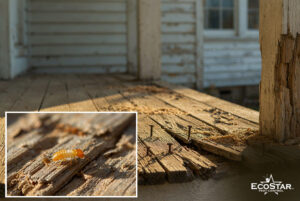
- Termites threatening older homes and wood structures.
These pests don’t care who lives there. If the conditions are right, they’ll move in.
Further Reading: The Seasonal Pest Control Checklist Every Dallas Homeowner Needs
Who Is Responsible: Landlord vs Tenant?
This question comes up a lot.
In most cases:
- Landlords are responsible for delivering a pest-free home at move-in.
- Ongoing prevention usually falls on the property owner.
- Even if a tenant contributes to a problem, professional treatment is still needed.
From a practical standpoint, routine pest control avoids disputes altogether.
Why Rental Properties Attract More Pests
Rental homes see more pest pressure because:
- Homes sit empty between tenants.
- Cleaning standards vary from one renter to another.
- Small maintenance issues go unreported.
Pests don’t wait for permission. They take advantage of delays.
The Best Time to Schedule Pest Control for Rentals
Timing matters. The best moments to treat a rental property are:
- Before new tenants move in.
- During routine inspections or lease renewals.
- Seasonally, especially spring and summer in Dallas.
Waiting until a tenant is already frustrated usually costs more.
Useful Resource: Early Warning Signs of a Rodent Infestation Most Texas Property Owners Miss
Preventive Pest Control Tips for Dallas Landlords
The most successful landlords stay ahead of the problem. Here’s what works:
- Schedule routine pest control, not one-time treatments.
- Seal cracks, gaps, and exterior openings.
- Fix leaks and moisture problems quickly.
- Keep yards trimmed and drainage clear.
- Share basic prevention tips with tenants.
Prevention always beats reaction.
Why Professional Pest Control Saves Landlords Money
Some landlords try to handle pests only when complaints happen. That approach usually backfires.
Professional pest control:
- Prevents repeat infestations.
- Reduces emergency service calls.
- Protects structures from termites and rodents.
- Helps maintain long-term property value.
- Keeps tenants satisfied and leases stable.
It’s cheaper to prevent pests than repair damage later.
When to Call a Local Dallas Pest Control Professional
You should bring in a professional when:
- Tenants report the same pest problem more than once
- You notice droppings, nesting, or visible damage
- Seasonal pest issues show up every year and keep getting worse
- You want the home protected before new tenants move in
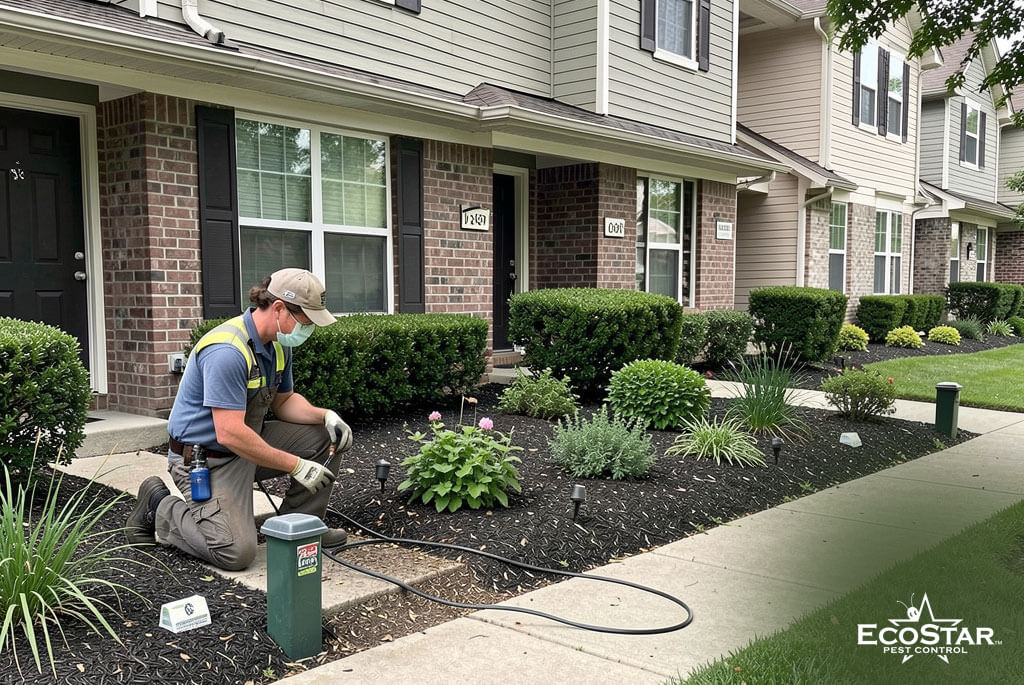
At this stage, calling a professional Dallas pest control team is the fastest way to stop the problem at the source.
Taking action early prevents bigger problems later.
Learn More: Why DIY Cockroach Control Fails and How Modern Pest Tech Finally Works
Final Thoughts from a Local Dallas Pest Pro
Pest control isn’t optional for rental properties in Dallas. It’s part of protecting your investment. Landlords who stay ahead of pest issues deal with fewer complaints, fewer surprises, and more stable tenants.
When you treat pest control like routine maintenance instead of a last-minute fix, your rental properties stay in better shape, and managing them becomes a whole lot easier.