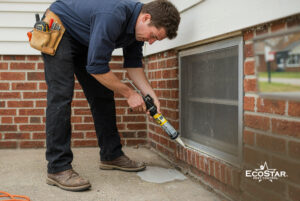

Seasonal changes can lead to noticeable shifts in rodent activity around homes and businesses. As temperatures, food availability, moisture levels, and outdoor conditions fluctuate, rodents seek out better sources of food, water, and shelter. This often drives them toward garages, attics, crawl spaces, kitchens, sheds, and other secure areas on the property.
For homeowners in Texas, rodent prevention goes beyond simply dealing with an infestation after it occurs. Effective long-term prevention requires identifying potential entry points, minimizing food and water sources, maintaining the property, and keeping an eye out for early signs of activity. When preventive measures prove insufficient, professional rodent control and extermination services can help identify and resolve the issue.
Why Can Seasonal Changes Increase Rodent Activity?
Rodents are constantly in search of food, water, and shelter. Seasonal changes can alter the availability of these resources outdoors, prompting rodents to seek out new locations.
As temperatures shift, these creatures may migrate toward environments that offer greater stability. Enclosed spaces—such as garages, attics, wall voids, and sheds—provide protection from the elements while offering easy access to food and water.
Seasonal gardening and household activities can also influence the behavior of these pests. Factors such as changes in vegetation, outdoor storage, garden features, pet food, bird feeders, and waste disposal can provide them with food and other resources in the vicinity of a building.
The timing and intensity of their activity can vary depending on the specific location and property. However, it is beneficial to implement regular inspections and preventive measures throughout the year, rather than acting only when the pests are actually spotted.
What Attracts Mice and Rats to a Property?
The three basic things rodents seek are food, water, and shelter. Removing or reducing these resources around a property can make it less attractive to them.
Common attractants include:
- Unsecured garbage
- Pet food left outdoors
- Bird seed and bird feeders
- Food stored in accessible areas
- Compost or organic waste
- Standing water
- Leaking outdoor faucets
- Clutter around garages and sheds
- Dense vegetation near buildings
- Wood piles and outdoor debris
A property does not need to appear dirty or neglected to experience rodent activity. Mice and rats can take advantage of small gaps and easily accessible resources even around well-maintained homes.
How Do Seasonal Changes Affect Rodent Prevention?
The best prevention strategy changes slightly with the conditions around your property.
During Warmer Weather
Warm weather can increase outdoor rodent activity and provide access to food and water. Landscaping may also become denser, giving rodents additional places to hide.
Keep vegetation trimmed away from the structure where practical, remove unnecessary outdoor clutter, and inspect areas around garages, sheds, fences, and storage spaces.
Pay particular attention to food sources. Secure garbage cans, store pet food properly, and avoid leaving food outdoors overnight.
During Cooler Weather
When temperatures become less comfortable outdoors, rodents may investigate buildings for shelter. This makes fall and other periods of changing weather a useful time to inspect the exterior of your home.
Check around:
- Doors and windows
- Foundation openings
- Roof lines
- Attic vents
- Utility penetrations
- Plumbing openings
- Garage doors
- Crawl-space entrances
- Damaged screens
A small opening can provide an opportunity for a mouse or rat to enter.
The CDC notes that mice can fit through openings approximately 1/4 inch in diameter, making small gaps worth addressing during routine property inspections.
How Can You Keep Mice and Rats Out of Your Home?
Long-term rodent prevention starts with exclusion. The goal is to make it difficult for rodents to enter the building in the first place.
Seal Potential Entry Points
Inspect the exterior regularly for cracks, holes, and gaps. Pay particular attention to locations where pipes, cables, ducts, and utility lines enter the structure.
Depending on the opening, appropriate materials can include metal mesh, hardware cloth, cement, or other durable construction materials. Expanding foam by itself may not provide a reliable long-term barrier against rodents because rodents can damage some softer materials.
Doors should also close properly. Replace damaged weather stripping and repair gaps around garage doors where necessary.
Keep Food Properly Stored
Food should be stored in containers that rodents cannot easily chew through. This is particularly important in garages, pantries, storage rooms, and other areas where food or animal feed may be kept.
Clean crumbs and food spills promptly, and avoid leaving pet food available for long periods.
Outdoor food sources deserve attention as well. Bird feeders, pet food, unsecured garbage, and compost can attract wildlife and rodents close to the home.
Reduce Outdoor Shelter
Rodents prefer protected areas where they can hide and build nests.
Keep firewood elevated and stored away from the building when possible. Remove unnecessary cardboard, construction materials, debris, and other clutter from garages, sheds, and outdoor areas.
Maintaining vegetation around the property can also make it easier to identify rodent activity and potential entry points.

What Are the Early Signs of a Rodent Infestation?
You may notice signs of rodents before you actually see a mouse or rat.
Common warning signs include:
- Droppings near food, cabinets, garages, or storage areas
- Gnaw marks on packaging or materials
- Scratching or movement sounds inside walls or ceilings
- Shredded paper or other nesting materials
- Greasy marks along frequently traveled paths
- Damaged food containers
- Unusual odors
- Nests in hidden areas
- Rodent activity around garbage or outdoor storage
The Texas Department of State Health Services identifies droppings, tracks, gnaw marks, rub marks, and nests among signs that rodents may be present.
Finding one sign does not necessarily tell you how large an infestation is. However, repeated signs or activity in multiple areas warrant further investigation.
Why Is Rodent Control Important in Texas?
Texas properties can face rodent activity in urban, suburban, and rural environments. Homes in the Dallas-Fort Worth area may have garages, attics, outdoor storage, landscaped yards, and other areas that can provide potential access or shelter.
Rodent prevention is also important because rodents can create sanitation and property concerns. Some rodents can carry pathogens, and contact with contaminated urine, droppings, or nesting materials can create health risks.
The CDC recommends taking precautions when cleaning areas contaminated by rodents and avoiding activities such as sweeping or vacuuming dry droppings, which can disturb contaminated material.
If you discover substantial rodent contamination, nests, or activity in difficult-to-access areas, professional assistance may be appropriate.
When Should You Contact a Professional?
You should consider professional Rodent Control Services when rodent activity continues despite preventive measures, when you repeatedly find droppings or other signs, or when you hear rodents inside walls, ceilings, or other inaccessible areas.
Professional Rodent Pest Control can involve more than simply placing traps. A proper approach may include inspecting the property, identifying potential entry points, locating signs of activity, recommending exclusion measures, and using appropriate control methods based on the situation.
If rodents have already established themselves inside a structure, removing the animals without addressing how they entered can leave the property vulnerable to future activity.
What Should You Do If You Find Mice or Rats?
If you see a mouse or rat, avoid assuming that the problem will disappear on its own. Look for additional signs and inspect the property for possible entry points.
Do not handle rodents or contaminated nesting material with bare hands. If you find droppings, follow appropriate cleaning precautions. The CDC recommends disinfecting rodent urine, droppings, and nesting materials before carefully removing them rather than sweeping or vacuuming them while dry.
For persistent activity, professional Rodent Extermination can help address the immediate problem while identifying measures that may reduce the chance of recurrence.
A Seasonal Rodent Prevention Checklist
A simple inspection routine can help homeowners stay ahead of rodent problems.
Every few weeks:
- Check for new gaps or holes around the exterior.
- Inspect garage and attic access points.
- Look for droppings or gnaw marks.
- Keep food and pet food securely stored.
- Check garbage containers for secure lids.
- Remove unnecessary outdoor clutter.
- Keep vegetation maintained around the structure.
- Address leaks and accessible water sources.
When seasons change:
- Inspect areas that may have developed gaps or damage.
- Check outdoor storage areas.
- Review attic, garage, and crawl-space conditions.
- Look for new rodent activity.
- Address potential entry points before they become a larger problem.
Keep Your Texas Property Protected Year-Round
Seasonal changes can influence where mice and rats look for food, water, and shelter, but homeowners do not have to wait for an infestation before taking action. Sealing entry points, managing food and water sources, maintaining outdoor areas, and watching for early warning signs can make a property less attractive to rodents.
If you are already seeing repeated signs of mice or rats, prevention alone may not be enough. EcoStar Pest Control provides Rodent Control & Exterminator Services for the Dallas-Fort Worth area and can help you determine the appropriate next step for your property.
Learn more about EcoStar’s rodent control services or contact EcoStar Pest Control to discuss your rodent concerns.