
If you hear scratching sounds inside your walls, find rodent droppings in your kitchen cabinets, or notice food packaging that has been gnawed on, it is possible that mice or rats have entered your home. To deal with a rodent infestation effectively, it is essential to identify the source, remove the rodents, and seal their entry points. Simply catching one rodent will not solve the problem if others remain hidden or if new ones are able to get inside.
For homeowners in Dallas, Fort Worth, and surrounding areas of North Texas, rodent activity—particularly around kitchens, garages, attics, and storage spaces—can be a major concern. EcoStar Pest Control helps homeowners address these issues by providing professional solutions tailored to their specific property and the nature of the rodent activity.
By learning to recognize the signs of a rodent infestation, understanding the risks they pose, and knowing when to seek professional pest control, you can protect your home and prevent a minor issue from escalating into a serious infestation.
Why Are Mice Getting Into Your Home?
Mice enter homes because buildings provide the three things they need to survive: food, water, and shelter. Even in a well-maintained home, mice may appear if there is easy access to food, the presence of moisture, or small cracks and holes.
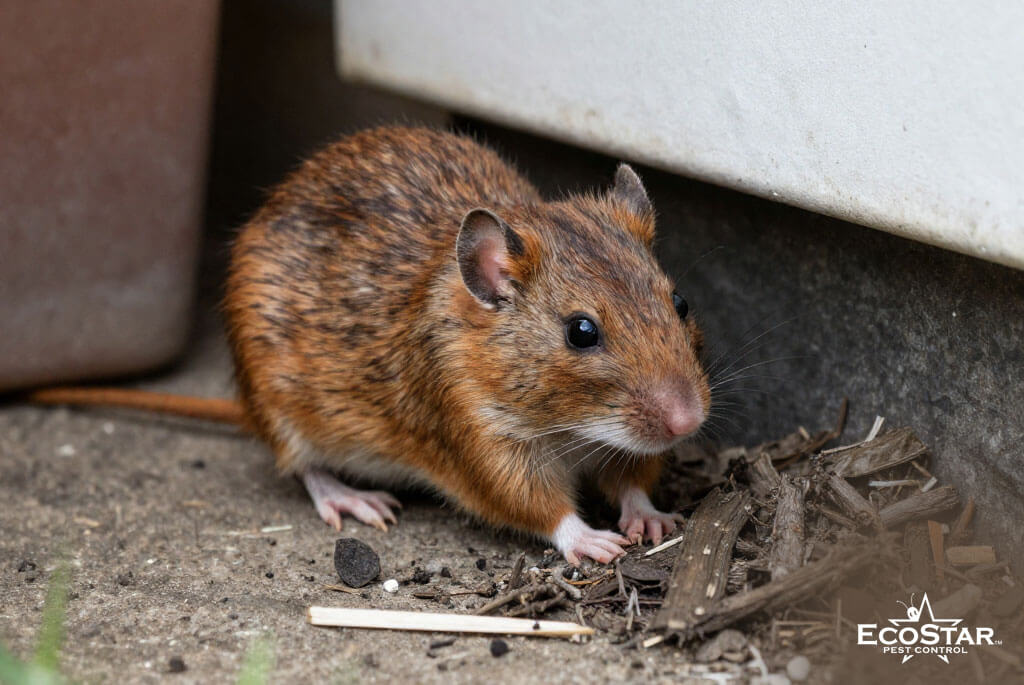
House mice can squeeze into a home through remarkably small spaces. They can gain entry via gaps around pipes, garage doors, foundations, roof edges, and external vents.
Common reasons mice enter homes include:
- Food availability: Crumbs, pet food, pantry items, and uncovered garbage attract rodents.
- Shelter: Attics, wall cavities, garages, and storage boxes provide places to hide and nest.
- Water: Leaking plumbing, condensation, and standing water create useful moisture sources.
- Weather changes: Temperature changes and heavy rain can influence rodent movement and shelter-seeking behavior.
- Nearby outdoor activity: Vegetation, clutter, compost, and accessible outdoor food may support rodent activity close to the building.
In the growing suburban areas around Dallas and Fort Worth, homes with attached garages, roof gaps, landscaping close to exterior walls, and utility entry points can serve as potential entry points for rodents.
It is important to note that the presence of a rodent does not necessarily mean your home is dirty. Rodents can enter clean homes if the structure offers accessible shelter or open spaces that they can utilize.
How Can You Tell If You Have a Mouse Infestation?
You may have a rodent problem, even if you rarely see a live mouse or rat. These animals are typically active at night and remain hidden in enclosed spaces during the day.

According to the Centers for Disease Control and Prevention (CDC), common signs of a rodent infestation include droppings and gnaw marks. Additionally, materials used for nesting, damaged food packaging, and unusual noises coming from hidden areas can also serve as evidence of their presence.
Look for these warning signs:
- Small, dark droppings: Often found inside cabinets, drawers, pantries, and along walls.
- Scratching or scurrying sounds: Particularly at night, in ceilings, walls, or attics.
- Chewed materials: Torn food packaging, damaged cardboard, shredded paper, or gnawed wood.
- Nesting materials: Shredded paper, fabric, insulation, and other soft materials collected in hidden areas.
- Unusual odors: Persistent, stale smells in poorly ventilated spaces may indicate rodent activity.
- Repeated sightings: Seeing mice in multiple rooms or finding fresh droppings after cleaning suggests the problem may be ongoing.
The CDC’s rodent control guidance explains that fresh evidence can help determine whether rodents are still present.
For example, a homeowner might notice droppings beneath the kitchen sink and hear scratching in the garage ceiling. Treating only the kitchen may leave another active area unaddressed. A thorough inspection helps establish where rodents are moving, where they may be nesting, and how they are entering.
Are Mice in Your House Dangerous?
Yes. Mice can contaminate food, introduce pathogens, damage household materials, and create sanitation concerns. Their presence should be addressed promptly, especially when signs appear near food preparation areas or ventilation systems.
Can mice spread diseases?
Rodents can spread certain diseases through direct contact with—or ingestion of—contaminated urine, feces, saliva, or food. They may also carry parasites such as fleas and mites.
The actual level of risk depends on the type of rodent, the nature of the contact, and the specific circumstances. However, homeowners should never assume that a rodent or its droppings are harmless.
If you discover droppings, do not sweep or vacuum them once they have dried. The CDC recommends ventilating the area, wearing gloves, thoroughly wetting the droppings and urine with an appropriate disinfectant, and following established guidelines for safe disposal. In cases of a significant rodent infestation, extra precautions or professional cleaning services may be required.
Read the CDC’s official rodent cleanup instructions before handling contaminated areas.
Can mice damage electrical wiring?
Yes. Mice chew on many things, including the insulation on electrical wires, plastic, wood, and various other stored items. Damaged wires can create electrical hazards, while damage to plumbing components or the contamination of insulation can lead to additional repair costs.
Pay close attention to any rodent activity in your home’s attic, as damage there often goes unnoticed until it becomes clearly visible. If you suspect that wires have been damaged, contact a qualified electrician rather than attempting the repairs yourself.
Why Does Mouse Activity Become a Problem in Dallas and Fort Worth?
Rodent activity is not limited to any specific season or region. These creatures can remain active throughout the year, and as outdoor conditions change, indoor spaces become even more attractive to them.
Properties in North Texas encompass a variety of settings—from older neighborhoods and new developments to townhomes—often featuring garages, attics, and gardens. Each type of property offers different potential entry points for rodents.
For instance, construction or landscaping work can disrupt their outdoor habitats, forcing them to seek shelter elsewhere. They can easily gain access through the gap beneath a garage door, while an opening in an attic provides a quiet, secluded spot for them to build a nest.
Homeowners should pay particular attention to:
- Gaps around garage doors and exterior doors.
- Openings around plumbing, electrical lines, and other utilities.
- Roofline gaps, vents, and damaged exterior materials.
- Storage areas containing cardboard boxes and clutter.
- Outdoor garbage, pet food, and dense vegetation near the home.
These are potential access points and attractants, not proof that a property has an infestation. Identifying the specific conditions around your home is an important part of effective mice pest control.
What Does Professional Mice Pest Control Involve?
Professional mouse pest control is more than placing a few traps and waiting for results. A suitable treatment plan considers rodent activity, the building’s condition, potential entry points, and the safest practical control methods.
Inspection and identification
The first step is determining whether the problem involves mice, rats, or another pest. Their size, droppings, nesting locations, and movement patterns can help distinguish between species.
A professional inspection may focus on kitchens, garages, attics, utility openings, wall edges, and other areas where rodent evidence appears. Identifying likely access routes helps determine where treatment and exclusion efforts should be concentrated.
Targeted trapping and control
Depending on the situation, treatment may involve appropriately placed traps or other suitable rodent control measures. Placement matters because rodents tend to travel along protected edges and revisit areas where food or shelter is available.
Where rodenticides are appropriate, they must be used according to their labels and applicable requirements. Baits should be secured in suitable stations and positioned to minimize risks to children, pets, and non-target wildlife.
The U.S. Environmental Protection Agency’s rodent control recommendations explain the importance of selecting appropriate methods and following safety precautions.
Exclusion and prevention
Exclusion means closing openings that allow rodents to enter a building. Depending on the location, this may involve repairing gaps, installing appropriate barriers, securing vents, or correcting damaged door seals.
Removing rodents without addressing accessible entry points can leave the property vulnerable to future activity.
Monitoring and follow-up
Treatment results should be evaluated through continued monitoring. Fresh droppings, new gnaw marks, or additional sightings may indicate that rodents remain active.
The appropriate follow-up depends on the severity of the problem, the property layout, and whether entry points or food sources have been corrected.
EcoStar Pest Control can help homeowners in its service area assess rodent concerns and determine appropriate pest control solutions for their property.
Why Do Mice Keep Coming Back After Treatment?
Recurring mouse activity often means an important part of the problem remains unresolved. Catching a rodent does not necessarily eliminate other mice, remove a nest, or prevent new rodents from entering.
Several conditions can contribute to repeated infestations:
- Exterior openings remain accessible.
- Food and water sources are still available.
- Rodents are nesting in concealed areas.
- Traps are placed away from active travel routes.
- New rodents enter from surrounding areas.
Suppose mouse traps have been set in a kitchen, yet after a few days, droppings reappear. The issue might stem from other mice, or perhaps from entry points located near the garage, plumbing, or exterior walls.
A more comprehensive approach involves targeted removal, prevention, sanitation, and monitoring. This integrated pest management strategy focuses on addressing the conditions that facilitate an infestation, rather than merely treating the visible symptoms.
When Should You Call a Professional Mouse Exterminator?
Contact a pest control professional if you continue finding fresh droppings, hear repeated scratching, discover chewed wiring, or see mice in multiple areas of your home.
Professional assistance is particularly worthwhile when:
- Mouse activity continues despite trapping efforts.
- Rodents appear to be nesting in walls, ceilings, or attics.
- Droppings or contamination occur in food storage areas.
- You suspect rodents have accessed HVAC equipment or ductwork.
- You cannot identify how mice are entering the property.
- You are concerned about placing traps or bait around children or pets.
If rodents have entered ventilation equipment or heavily contaminated insulation, specialized assessment may be necessary. Do not disturb potentially contaminated materials without appropriate precautions.
Professional residential rodent control can help identify the likely source of the problem, select suitable treatment methods, and reduce the risk of recurring activity.
Frequently Asked Questions About Mice Pest Control
What is the most effective way to get rid of mice?
Effective mouse control combines appropriate trapping, removal of accessible food and water, sealing entry points, and monitoring for further activity. Persistent infestations may require professional assessment.
How do I know if I have mice or rats?
Mice are generally smaller, with smaller droppings and finer gnaw marks. Rats are usually larger and may leave larger droppings or more substantial damage. An inspection can help identify the rodent correctly.
Can mice enter a house through a small hole?
Yes. House mice can squeeze through openings about the width of a pencil, approximately 1/4 inch (6 millimeters). Inspect gaps around pipes, doors, vents, and exterior walls.
Is mouse pest control safe for children and pets?
Safety depends on the methods and products used. Traps and bait stations must be placed appropriately, and any pesticide must be used according to its label. Tell your pest control provider about pets and household safety concerns.
How much does professional mice pest control cost?
Costs depend on the infestation, property size, inspection findings, and whether exclusion or additional treatment is needed. Request an estimate based on your specific property rather than relying on a universal price.
Why do I hear mice in my attic at night?
Mice are often more active after dark. Scratching or scurrying sounds may indicate rodent movement or nesting, although other animals can produce similar noises. An inspection can help identify the source.
Does EcoStar Pest Control offer rodent control in Dallas and Fort Worth?
EcoStar Pest Control serves homeowners in the Dallas–Fort Worth area and surrounding communities. Contact the company to confirm service availability for your address and discuss your rodent concerns.
Protect Your Home With Professional Mice Pest Control
Having mice in your home can be stressful, and ignoring the signs will only allow the problem to persist. Droppings, scratching sounds, damaged packaging, and gnaw marks are all clear indicators that mice may be present.
The most effective and long-lasting solution is one that addresses both the mice themselves and the underlying conditions that attract them to your home. Proper identification, precise treatment, sealing entry points, and ongoing monitoring can help reduce recurring issues.
EcoStar Pest Control provides professional, tailored pest control solutions for homeowners in Dallas, Fort Worth, and the surrounding North Texas area.
If you have noticed signs of mice in your home, do not wait for the problem to escalate. Contact EcoStar Pest Control to discuss your concerns and receive a free estimate for pest control services.
Protect your home, minimize the risks associated with mice, and take a step toward a cleaner, safer environment.