Finding ants in your home once can be frustrating. Finding them again and again can be even more annoying. You clean the area, remove the visible ants, and may even use an over-the-counter spray, but a few days later, they seem to be back.
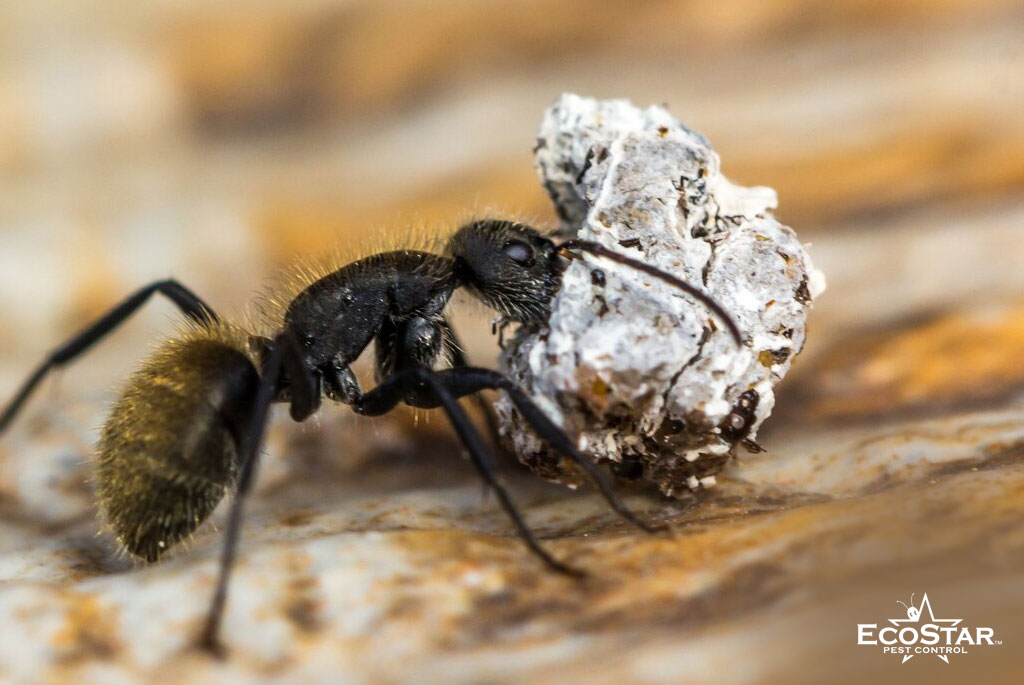
So, why do ants keep coming back? In most cases, the problem is not the individual ants you see. Ant colonies can contain many workers, and eliminating visible ants without addressing the nest, food sources, moisture, and entry points may only provide temporary relief.
Understanding what attracts ants and how they enter your property is the first step toward long-term ant pest control.
Why Do Ants Keep Coming Back?
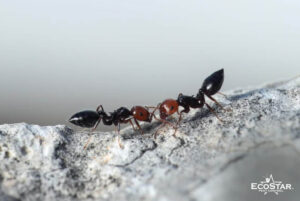
Ants are constantly searching for food, water, and shelter. Once worker ants discover a reliable food or water source, they can create a trail that allows other members of the colony to follow the same route.
Common reasons ants repeatedly enter homes include:
- Food crumbs and spills
- Open food containers
- Pet food left out
- Leaking pipes or faucets
- Moist areas around kitchens and bathrooms
- Cracks around doors and windows
- Gaps around utility lines and pipes
- Vegetation touching the exterior of the home
Even a small amount of food can attract ants. This is why keeping the home clean is important, but cleaning alone may not solve an established infestation.
1. Ant Trails Lead Back to the Colony
One reason spraying visible ants often fails is that the colony may be located somewhere else. Ants can travel through wall voids, cracks, foundations, landscaping, and other hidden areas before reaching a food source inside your home.
If you repeatedly see ants following the same path, follow the trail if possible. It may help identify an entry point or area of activity.
However, finding the exact nest can be difficult because some ant species establish colonies in hidden or inaccessible locations.
2. Food and Water Attract Ants
Ants are opportunistic feeders. Kitchens are particularly attractive because they provide easy access to food and water.
To reduce attractants:
- Wipe countertops regularly.
- Clean food spills immediately.
- Store food in sealed containers.
- Keep trash cans closed.
- Clean under appliances when possible.
- Avoid leaving pet food out for extended periods.
- Repair leaking faucets and pipes.
These simple steps can reduce the resources ants need to remain active around your home.
3. Seal Common Ant Entry Points
Ants are small enough to enter through surprisingly tiny openings. Check areas around windows, doors, plumbing lines, electrical connections, vents, and foundation cracks.
Use appropriate caulk or sealants to close accessible gaps. Weatherstripping around doors and windows can also help reduce potential entry points.
Outdoor maintenance matters too. Trim branches and plants away from the structure and avoid allowing soil, mulch, or debris to create easy pathways toward the building.
4. Why DIY Ant Sprays May Not Solve the Problem
Many homeowners immediately reach for an insect spray when they see ants. While a spray may kill the ants that are visible, it does not necessarily eliminate the colony.
In some situations, disrupting ant trails without addressing the source can make the infestation harder to manage.
A more effective strategy focuses on identifying the ant species, locating activity, reducing attractants, and selecting an appropriate treatment method.
Professional Ant Control Services
When ants continue appearing despite cleaning and DIY treatments, professional Ant Control Services may be the better solution.
A qualified pest professional can inspect the property to determine where ants are entering, identify conditions contributing to the infestation, and recommend treatment based on the type of ant and level of activity.
Professional treatment can also help address areas that are difficult for homeowners to reach, such as wall voids, exterior nesting locations, or hidden entry points.
EcoStar Pest Control: Helping Protect Homes and Businesses
EcoStar Pest Control provides professional pest management solutions for homeowners and businesses in the Dallas–Fort Worth area. Our approach focuses on identifying the source of pest activity and developing practical treatment strategies based on the property’s specific needs. Whether you are dealing with recurring ants or another household pest, our goal is to help reduce current activity while addressing the conditions that may contribute to future infestations.
For homeowners looking for reliable Ant Pest Control, working with an experienced local pest control company can provide a more targeted approach than repeatedly treating visible ants yourself.
How Can You Prevent Ants From Coming Back?
Long-term prevention requires more than killing visible ants. Consider these habits:
Keep Food Areas Clean
Clean crumbs, spills, grease, and food residue as soon as possible. Pay particular attention to areas under appliances and furniture.
Control Moisture
Fix plumbing leaks and address excessive moisture around kitchens, bathrooms, foundations, and other areas where ants may find water.
Maintain Your Yard
Trim vegetation away from the house and remove piles of leaves, wood, and other debris close to the foundation.
Inspect Your Home Regularly
Check windows, doors, foundations, and utility entry points for cracks or gaps that could provide ants with access.
Address Recurring Activity Early
If ants keep returning to the same areas, don’t wait until the infestation becomes larger. Recurring activity can indicate an established colony or a consistent source of food, water, or shelter.
When Should You Call a Pest Professional?
Occasional ants may not always indicate a serious infestation. However, professional help is worth considering when ants appear frequently, trails continue despite cleaning, multiple areas of the property are affected, or DIY treatments provide only temporary results.
A professional inspection can help determine why ants keep coming back and what steps are most appropriate for your property.
Conclusion
Ants keep coming back when the conditions attracting them remain available or when the underlying colony has not been addressed. Food, moisture, shelter, and small entry points can all contribute to recurring ant activity.
Cleaning your home, controlling moisture, sealing entry points, and maintaining your property’s exterior can help prevent ants. When the problem continues, professional Ant Control Services can provide a more targeted solution.
If recurring ants have become a problem in your home or business, identifying the source early can help prevent the infestation from becoming a persistent nuisance.