To keep mice and rats out of your attic, cut off how they reach the roof, screen or seal every opening into the attic, and remove what draws them to your property. In practice, that means trimming trees back from the roofline, covering vents with ¼-inch metal mesh, and sealing gaps at eaves, roof joints and utility lines before cold weather sets in. If you already hear scratching overhead, remove the rodents before sealing the last openings.
This guide walks through each step for Dallas–Fort Worth homes, plus what to do if you already have rats in the attic.
Why Do Rats and Mice End Up in DFW Attics?
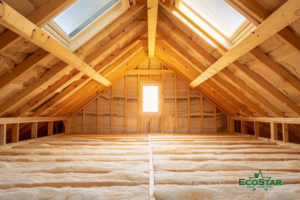
Attics give rodents what winter takes away: warmth, shelter and a quiet place to nest. Rats and mice don’t hibernate, and the National Pest Management Association estimates rodents invade 21 million U.S. homes each winter.
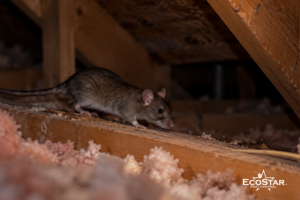
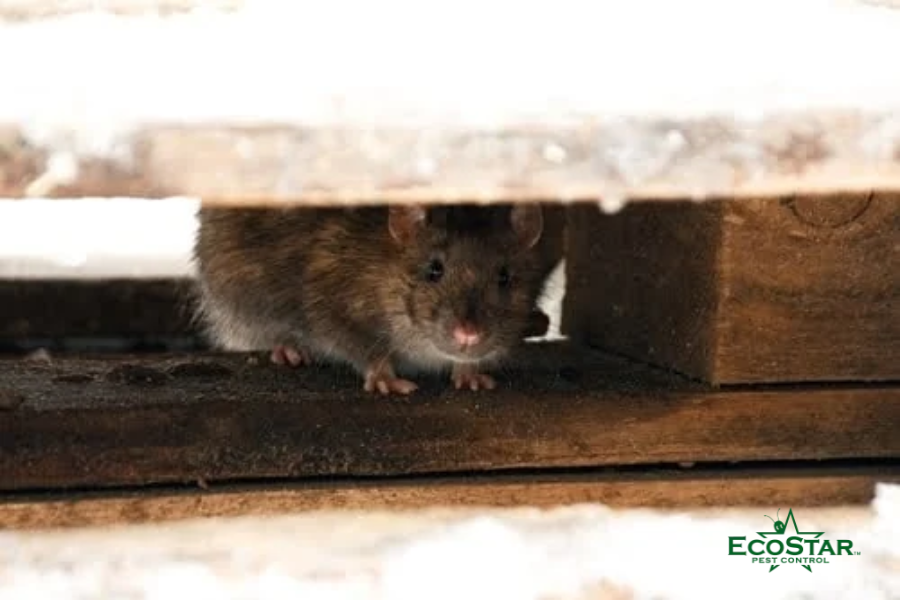
In North Texas, the main attic invader is the roof rat (Rattus rattus). Roof rats prefer to travel above ground. They nest in attics, eaves and upper walls and use trees, vines and fences to get there. Texas A&M AgriLife Extension describes roof rats as common in urban areas of east Texas and across the South. Mature neighborhoods across Dallas, Fort Worth and the suburbs, with their pecan and oak canopies, give roof rats an easy route to the roof.
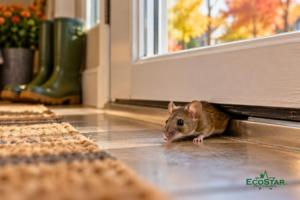
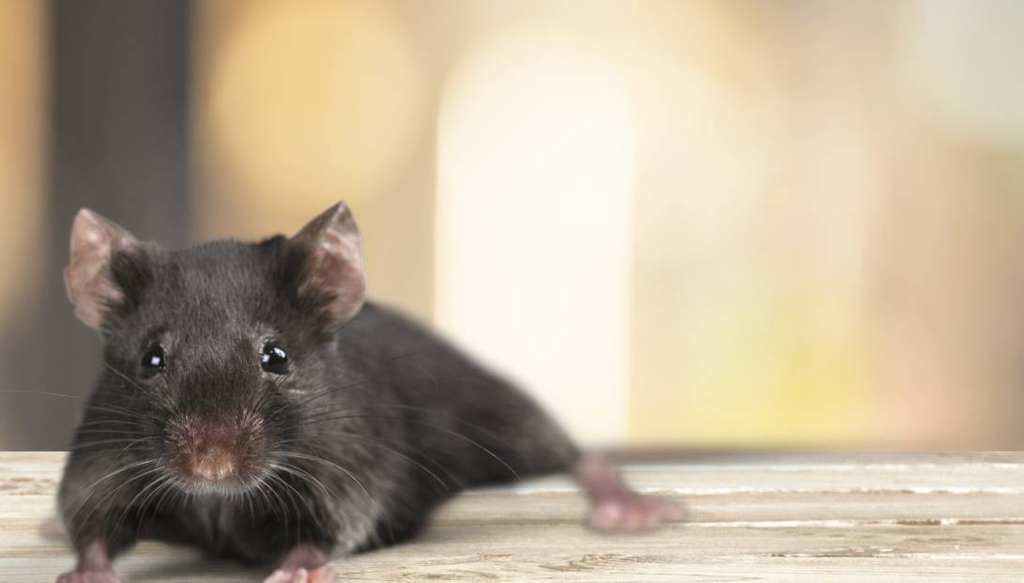
House mice also climb rough walls and get into attics, often from the garage or wall voids.
Rat or squirrel? Squirrels are active by day; rats and mice are mostly active at night. If the noises start after dark, rodents are the likely cause.
How Do Rodents Get Into Your Attic?
Rodents need surprisingly small openings. According to Texas A&M AgriLife Extension, a mouse can get through a hole about the size of a dime, and a rat through one about the size of a quarter.
Common attic entry points on DFW homes include:
- Roof returns and roof-to-wall joints, where two rooflines meet
- Gable, ridge and soffit vents with missing or loose screens
- Gaps between the soffit and fascia, or rotted fascia boards
- Plumbing vent stacks and roof flashing
- Utility lines (electrical, cable, gas) entering high on the wall
- Garage door corners, giving access to the garage attic
The CDC lists roof rafters, gables, eaves, soffits and attic vents among the main outside entry points.
How Do You Keep Mice and Rats Out of Your Attic?
Follow these eight steps. Do them in late fall if you can, but they work whenever you start.
1. Inspect the Roofline From the Ground and the Attic
Walk around the house with binoculars and look for gaps, chewed edges, dark rub marks and loose vent covers. Then check the attic with a flashlight. Daylight showing through, droppings near the eaves, or tunnels in the insulation all mark active routes.
2. Trim Trees and Vines Away From the Roof
Roof rats are agile climbers. Los Angeles County Public Health notes they can jump about 4 feet from branches to rooftops, and recommends trimming limbs and tall plants 6 feet away from the roof, vents, eaves and utility lines. Remove ivy and other vines growing up the walls.
3. Screen Roof, Gable and Soffit Vents
Don’t block attic vents. Your attic needs airflow. Instead, cover them with sturdy metal mesh. The U.S. Department of Energy’s Building America Solution Center recommends ¼-inch metal screening in roof vents to keep rodents out. Use galvanized hardware cloth, not window screen or plastic, which rodents can chew through.
4. Seal Gaps at Eaves, Fascia and Roof Joints
Close gaps at roof returns, soffit edges and fascia with metal flashing, hardware cloth or sheet metal. Replace rotted wood first, because rodents chew through soft wood easily.
5. Seal Utility and Plumbing Penetrations
For small holes around pipes and wires, the CDC recommends steel wool held in place with caulk or spray foam. For larger holes, use hardware cloth, metal sheeting, lath screen or cement. Foam alone isn’t enough, because rodents chew through it.
6. Close the Garage-to-Attic Route
Many DFW attics connect to the garage. Replace worn garage door seals, check the bottom corners for gaps, and keep the door closed at night. Store pet food, bird seed and grass seed in metal or thick plastic containers with tight lids.
7. Remove Attractants Around the House
Rodents stay close to food and cover. The CDC advises keeping woodpiles raised and away from the home, keeping compost and bird feeders away from the house, and using garbage cans with tight lids. Pick up fallen pecans and fruit, which feed roof rats.
8. Monitor the Attic Through Winter
Check the attic every few weeks. New droppings, fresh gnaw marks or noises after a cold snap mean a new entry point has opened or an old one was missed.
What Should You Do If Rodents Are Already in Your Attic?
If you already hear activity overhead, prevention alone won’t fix the problem. Use this order.
Don’t Seal Them Inside
Sealing every opening while rodents are inside traps them in the attic and walls. That can push them deeper into the house, and rodents that die in wall voids cause odor and fly problems. Texas A&M recommends sealing likely entry points as the first step, then removing the rodents inside and closing the final openings once activity stops.
Trap Correctly
Texas A&M AgriLife Extension prefers snap traps for attic roof rats. Place them where you find droppings and along rafters, and use more traps than you think you need. Check them daily. If you use rodenticides, Texas A&M advises keeping them in bait stations, since rodents that die in hidden spaces can cause odor problems.
Clean Up Safely
Don’t sweep or vacuum droppings. The CDC warns this can put virus particles into the air. Wear rubber or plastic gloves, spray droppings and nests with disinfectant, and wipe them up with paper towels.
Check Insulation and Wiring
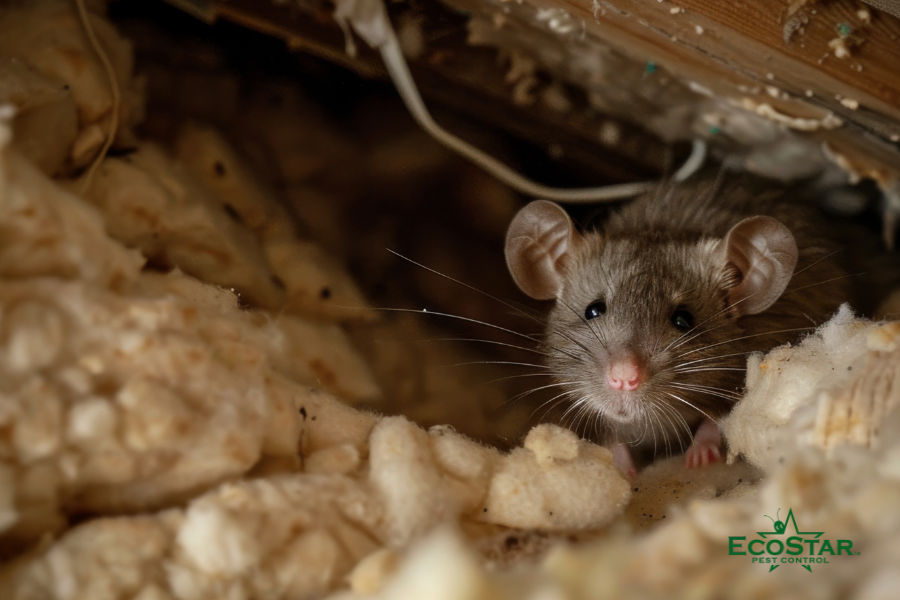
Rodents tunnel through attic insulation and contaminate it with urine and droppings, which reduces its performance. They also gnaw wiring, which creates a fire risk. After an infestation, have the wiring checked and assess whether insulation should be removed and replaced.
When Should You Call Attic Exterminators?
Call professional attic exterminators if:
- Noises continue after a week of trapping
- Entry points are on the roof or high gables you can’t safely reach
- You find large amounts of droppings or soiled insulation
- You’re unsure whether it’s rats, mice or squirrels
- Rodents keep coming back after you’ve sealed the house
An NPMA survey found only 17% of Americans call a pest professional at the first sign of rodents. Waiting usually means more damage and a larger cleanup.
Professional attic pest control combines a full roofline inspection, species identification, rodent exclusion, targeted trapping or baiting, and follow-up visits to confirm the attic is clear.
Frequently Asked Questions
How do I know if it’s rats or mice in my attic?
Check the droppings and the sounds. Rat droppings are noticeably larger than mouse droppings, and rats make heavier scurrying and gnawing sounds. In DFW, attic activity at night most often points to roof rats.
Can I seal entry points if rodents are already in the attic?
Seal the secondary gaps, but leave the main active route until the rodents are removed. Sealing everything at once can trap them inside.
What mesh size keeps mice out of attic vents?
Use ¼-inch galvanized hardware cloth. It stops mice and rats while still letting air through the vent.
How far should tree branches be from my roof?
At least 6 feet. Roof rats can jump about 4 feet from branches to a roof, so a shorter gap still lets them across.
Do repellents keep rodents out of the attic?
Repellents don’t close entry points. CDC and Texas A&M guidance focuses on sealing, trapping and sanitation. Treat repellents as a supplement at best, not a substitute for exclusion.
Do I need to replace attic insulation after rodents?
Not always. Light activity may only need spot cleanup. Insulation that’s heavily soiled, compressed or tunneled usually needs removal and replacement to restore performance and remove contamination.
Attic Rodent Control in Dallas and Fort Worth
Keeping rats in the attic from becoming a winter-long problem comes down to three things: cut off roof access, screen and seal every opening, and remove any rodents already inside before closing the last gaps.
EcoStar Pest Control provides rodent pest control and attic rodent exclusion for homes across Dallas, Fort Worth and surrounding areas. Our technicians inspect your roofline and attic, identify the species, seal entry points, and remove active rodents. If rodents have damaged your insulation, our attic insulation service can restore it with pest-control insulation.
Hearing scratching overhead? Contact EcoStar Pest Control to schedule an attic inspection for Rodent Control Dallas and Fort Worth homeowners trust.