If you discover a nest of dangerous pests, a sudden large-scale rodent infestation, or a severe pest outbreak in your home, keep people and pets away from the area. If the situation requires immediate action, contact a professional pest control expert. Do not disturb pest nests, avoid touching unfamiliar insects, and never use pesticides without first reading the instructions on the product label. For homeowners in the Dallas-Fort Worth area, taking prompt and appropriate action can help minimize safety risks and prevent pest problems from worsening.
Not every sighting of a pest requires an immediate emergency response. Distinguishing between a dangerous situation and a routine pest issue can help you determine the most appropriate course of action.
What Counts as a Pest Control Emergency?
An emergency situation related to pest control is one in which pests pose an immediate threat to safety, disrupt essential household activities, or necessitate urgent professional intervention to prevent further problems.
The severity of such a situation depends on the type of pests, their location, the extent of the infestation, and whether they pose any risk to people or pets.
Examples of situations that may require urgent attention include:
- Aggressive stinging insects: A wasp or hornet nest near an entrance, children’s play area, or another frequently used space.
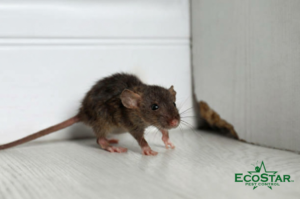
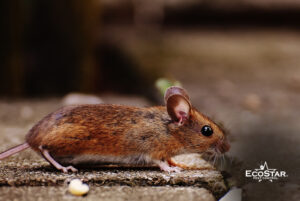
- Rodents inside living areas: Rats or mice entering kitchens, bedrooms, or other occupied spaces, particularly when there are signs of extensive activity.
- Severe cockroach activity: A significant infestation affecting food preparation areas or a property where sanitation is essential.
- Suspected termite activity: Signs of active termites or possible structural damage that require prompt professional inspection.
- Pests in sensitive areas: An infestation affecting a child’s bedroom, food storage area, or another location where exposure is a concern.
A single ant or spider does not automatically qualify as an emergency. However, repeated sightings, multiple pests appearing suddenly, or evidence of a growing infestation may justify a professional inspection.
What Should You Do Immediately During a Pest Emergency?
Taking a few sensible precautions can reduce exposure while you arrange the appropriate help.
1. Keep Children and Pets Away
Restrict access to the affected area, especially in cases involving stinging insects, rodents (such as rats/mice), or unidentified pests.
Do not allow children or pets to approach nests, touch dead rodents, or investigate clusters of insects. If insects have gathered in a specific room, close the door to that room, provided it is safe to do so.
2. Avoid Spraying Unknown Chemicals
Using various types of pesticides or applying them in excessive quantities can create new risks rather than solving the problem.
The U.S. Environmental Protection Agency (EPA) advises following the instructions provided on pesticide labels, which include guidelines for proper application and safety precautions.
Before using any pest control product, ensure that it is specifically designed for the target pest and the intended location. Never mix cleaning products or pesticides unless the product instructions explicitly authorize such a combination.
If the situation is unclear, leave the affected area as it is and seek advice from a qualified expert.
3. Document the Problem Safely
If you can do so without approaching the pest, take a photograph or note where and when you observed the activity.
Useful information includes:
- The approximate number of pests.
- The rooms or outdoor areas affected.
- Whether the pests appear repeatedly.
- Any visible entry points, droppings, nests, or damage.
- Whether children, pets, or household members have been exposed.
This information can help a pest control technician understand the problem and prepare for an inspection.
4. Protect Food and Limit Access
When it is safe to do so, remove any exposed food or beverages from the affected area. Store food and drinks in sealed containers, keep trash covered, and ensure that no water accumulates or food scraps are left in places accessible to insects, pests, or animals.
If food or beverages—or surfaces that come into contact with food—have been contaminated by rodents or other animals, do not consume anything that has been affected. Follow appropriate public health guidelines regarding cleaning and sanitation.
How Should You Respond to Different Pest Emergencies?
The safest response depends on the type of pest. Avoid treating every infestation in the same way.
| Pest problem | What should you do? | When should you seek professional help? |
|---|---|---|
| Wasps or hornets | Keep your distance and prevent others from approaching the nest. | When a nest is near an entrance or occupied area, or someone is at risk of being stung. |
| Mice or rats | Secure food and avoid touching rodents or their droppings. | When rodents repeatedly enter the home, signs of activity persist, or contamination is suspected. |
| Cockroaches | Remove accessible food sources and avoid indiscriminate pesticide use. | When sightings are frequent, the infestation is spreading, or food preparation areas are affected. |
| Ants | Keep food sealed and observe where the ants are entering. | When activity persists, colonies are difficult to locate, or ants may be damaging property. |
| Suspected termites | Avoid disturbing the affected area and arrange an inspection. | When you see possible termite activity, damaged wood, or other signs requiring identification. |
What Should You Do About Wasps and Hornets?
A nest located near a doorway, patio, or children’s play area can make daily activities risky.
Keep your distance from the nest, avoid making sudden movements near the insects, and do not attempt to knock the nest down or block its entrance. Spraying the nest from too close a range may provoke the insects to attack in self-defense.
Exercise extra caution if anyone is known to have a severe allergy to insect stings. In the event of a severe allergic reaction, seek emergency medical assistance immediately.
A professional pest control expert can assess the nest and advise on the appropriate method for its removal.
How Should You Handle a Rodent Problem?
Mice and squirrels can contaminate food and leave behind urine, droppings, and nesting materials.
Do not clean up rodent droppings using a broom or vacuum cleaner without first disinfecting them. According to the Centers for Disease Control and Prevention (CDC), disturbing contaminated materials can cause particles to become airborne.
For proper cleaning, the CDC recommends wearing gloves, thoroughly wetting the droppings with an appropriate disinfectant—following the product’s instructions—and wiping up the material with paper towels. Heavily contaminated areas may require extra caution or professional cleaning services.
If rodents are entering wall cavities, attics, or ventilation systems, professional assistance may be necessary to address the infestation and identify entry points.
What If Cockroaches or Ants Suddenly Appear Everywhere?
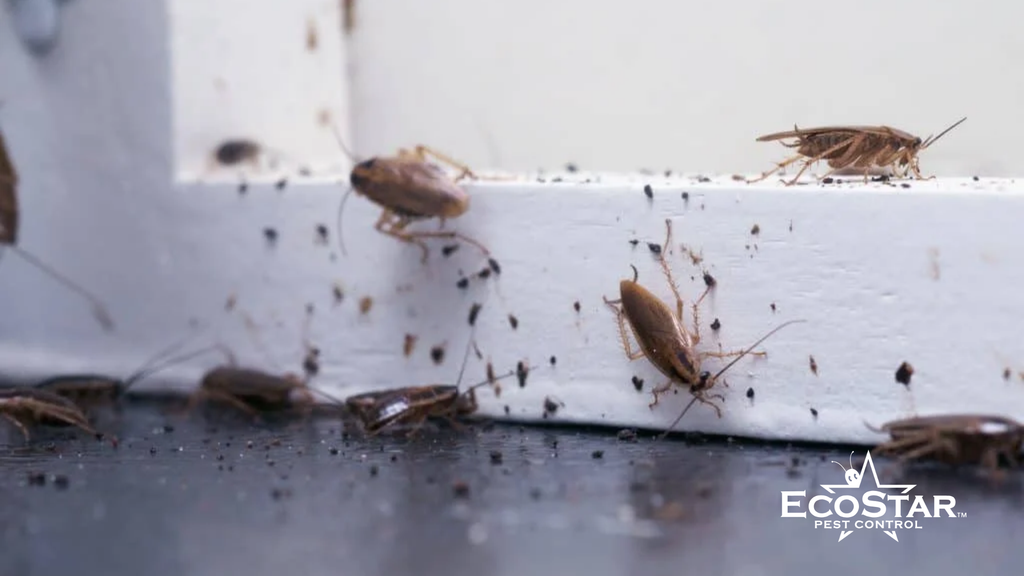
A sudden increase in cockroaches or ants may indicate an underlying source of food, moisture, shelter, or access to the property.
For example, cockroaches often favor areas with warmth, moisture, and food. Ants may enter a kitchen through small gaps while searching for accessible food or water.
Keep surfaces clean, seal food containers, address leaks, and observe where pests are appearing.
Avoid spraying every visible insect without identifying the source. Effective pest control often requires understanding the species, locating the infestation, and selecting an appropriate treatment.
When Should You Call a Professional Pest Control Company?
Contact a qualified pest control professional when a pest situation creates a safety concern, continues despite reasonable preventive measures, or appears too extensive to manage safely.
Professional assistance is particularly useful when:
- A nest is located near a frequently used entrance.
- Rodents are repeatedly entering occupied rooms.
- Pest activity is widespread or difficult to locate.
- You suspect termites or damage to wooden structures.
- Pesticide use could create risks for children, pets, or other occupants.
- Previous treatment has not resolved the problem.
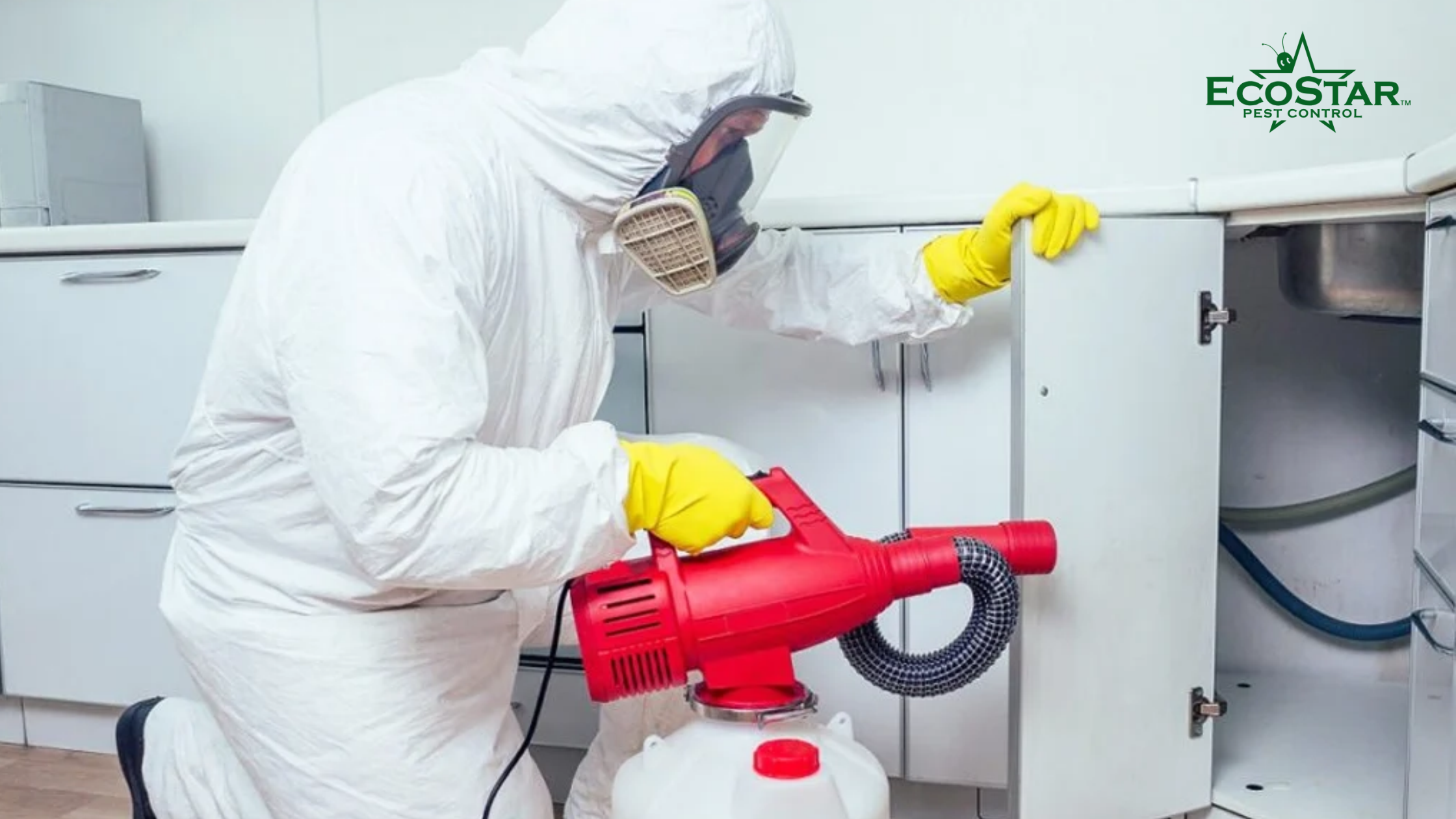
During an inspection, a technician may identify the pest, assess the affected areas, look for entry points, and recommend an appropriate treatment plan.
Ask about appointment availability, the proposed treatment, preparation requirements, safety precautions, and any necessary follow-up visits.
Why Do Dallas–Fort Worth Homes Need Prompt Pest Control?
Homes in the Dallas-Fort Worth area are subject to various pest infestations throughout the year. Changes in temperature, rainfall, humidity, landscaping, and construction activity can all influence where pests hide and how they gain entry into homes.
Homeowners in North Texas may encounter ants, cockroaches, rodents, wasps, termites, and other household pests.
For instance, ants might enter a kitchen in search of food or shelter due to rainfall or shifting outdoor weather conditions. The presence of rodents in an attic could indicate that they have entered through gaps along the roofline, openings around utility conduits, or other cracks in the building’s structure.
However, the appearance of a pest does not necessarily constitute an emergency. These examples simply highlight why it is crucial to identify the source of the problem.
Homeowners in Dallas, Fort Worth, Plano, Frisco, Carrollton, Irving, and surrounding areas should remain vigilant for signs such as recurring pest activity, the unexplained presence of droppings, visible nests, or gaps and cracks—particularly around doors or utility lines.
When a problem arises, the appropriate solution depends on the specific type of pest and the conditions of the property—rather than just the number of insects or rodents observed.
How Can EcoStar Pest Control Help With Your Pest Problem?
When pests appear unexpectedly, homeowners need to understand what is happening, what steps are appropriate, and how to reduce the chance of another infestation.
EcoStar Pest Control provides pest control services for homeowners in the Dallas–Fort Worth area. Its services address common household pest concerns, including general pest control, ants, cockroaches, rodents, mosquitoes, and termites.
The appropriate service depends on the pest involved and the conditions at your property.
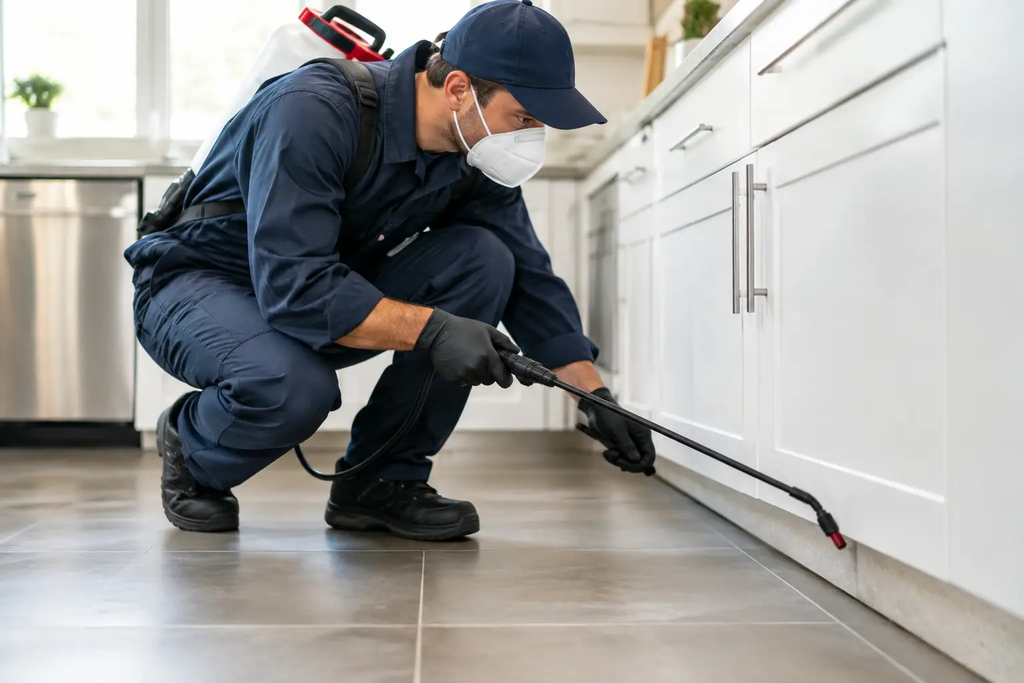
If you discover a pest problem in your home, contact EcoStar Pest Control to discuss the situation, ask about service availability, and determine whether an inspection or treatment is appropriate.
Before scheduling, explain which pests you have seen, where they are appearing, and whether anyone in the household may be at risk. This information can help the company assess your needs.
Need help with a pest problem? Visit the EcoStar Pest Control website to explore available services or request an estimate.
How Can You Reduce the Risk of Another Pest Emergency?
Although not every infestation can be prevented, a few maintenance habits can make your home less attractive to pests.
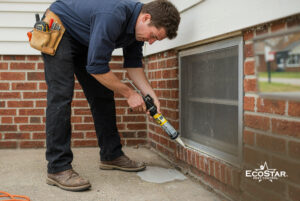
- Seal entry points: Inspect gaps around doors, windows, utility lines, and the building foundation.
- Store food securely: Use sealed containers and clean up crumbs and spills promptly.
- Control moisture: Repair leaking pipes and faucets, and address persistent damp areas.
- Manage outdoor debris: Keep rubbish covered and reduce unnecessary clutter near the house.
- Inspect vulnerable areas: Periodically check attics, garages, storage spaces, and other locations where pests may shelter.
- Address warning signs early: Repeated sightings, droppings, nests, and unexplained damage deserve attention.
- Use pesticides responsibly: Follow product labels and keep chemicals away from children and pets.
Integrated Pest Management (IPM) combines inspection, prevention, monitoring, and targeted treatment. Rather than relying only on pesticides, this approach addresses the conditions that allow pests to survive and reproduce.
Taking these steps can help reduce pest activity, but persistent or dangerous infestations may still require professional treatment.
Frequently Asked Questions About Emergency Pest Control
1. What qualifies as a pest control emergency?
A pest control emergency involves a situation that creates an immediate safety concern or requires prompt attention. Examples include an aggressive wasp nest near an entrance, rodents contaminating living areas, or a significant infestation affecting essential household spaces. The appropriate response depends on the pest, the location, and the level of risk.
2. Can I get same-day emergency pest control in Dallas–Fort Worth?
Same-day pest control depends on the company’s schedule, service area, technician availability, and the nature of the infestation. Contact a local provider, explain the situation, and ask about the earliest available appointment. If there is an immediate medical or safety emergency, contact the appropriate emergency service rather than waiting for pest treatment.
3. Should I spray pesticides before a pest control technician arrives?
Not necessarily. Applying the wrong pesticide or using too much can create unnecessary risks and may not resolve the infestation. Keep people and pets away from the affected area, avoid disturbing nests, and follow the instructions on any pesticide already used. Ask the pest control professional whether any preparation is needed before the appointment.
4. How much does emergency pest control cost?
Emergency pest control costs depend on the pest, infestation severity, property size, treatment method, and whether additional visits are needed. Some situations may require a straightforward treatment, while others involve inspection, exclusion, or follow-up work. Request a quote from the provider and confirm what the price includes before authorizing treatment.
Get Help With Your Pest Problem
A pest sighting does not always require emergency treatment, but dangerous nests, persistent rodent activity, and serious infestations should not be ignored.
Keep your household safe, avoid risky do-it-yourself treatments, and seek professional guidance when needed.
For homeowners in Dallas–Fort Worth, EcoStar Pest Control can help you explore appropriate pest control services and determine the next steps for your home.